
Behavioral Health Doctoral Psychology Internship Program 2027-2028 - Online Brochure
Our Doctoral Psychology Internship Program is a part of the Division of Health Services within the North Carolina Department of Adult Correction (NCDAC) system. Behavioral Health Services includes the clinical services provided by our licensed behavioral health clinicians, treatment support staff, and the Alcoholism and Chemical Dependency Program.
- Our internship maintains membership in the Association of Psychology Postdoctoral and Internship Centers (APPIC). Our APPIC Member Number is #2142.
- We offer our internship positions through the APPIC Internship Matching Program operated by the National Matching Services, Inc. Our Internship Match Code is #214211.
- The NCDAC Doctoral Psychology Internship Program is accredited by the Commission on Accreditation of the American Psychological Association.
Please click the links below for details about our Behavioral Health Doctoral Psychology Internship Program.
Match Number - 214211
2027-2028 Internship Year
Application Deadline: November 30th, 2026, 11:59pm
Accreditation Status
The NCDAC Doctoral Internship in Health Service Psychology (heretofore referred to as “Doctoral Psychology Internship Program”) was granted “accredited, on contingency” status with the initial date of accreditation as March 2, 2023. As of August 14, 2025, the program was notified of "full accreditation" status, with the next site visit to be held in 2028. For information on the APA accreditation status of this or other internship programs, please call or write to:
Office of Program Consultation and Accreditation
American Psychological Association
750 First Street NE
Washington, DC 20002-4242
202-336-5979
www.apa.org
Contact Information
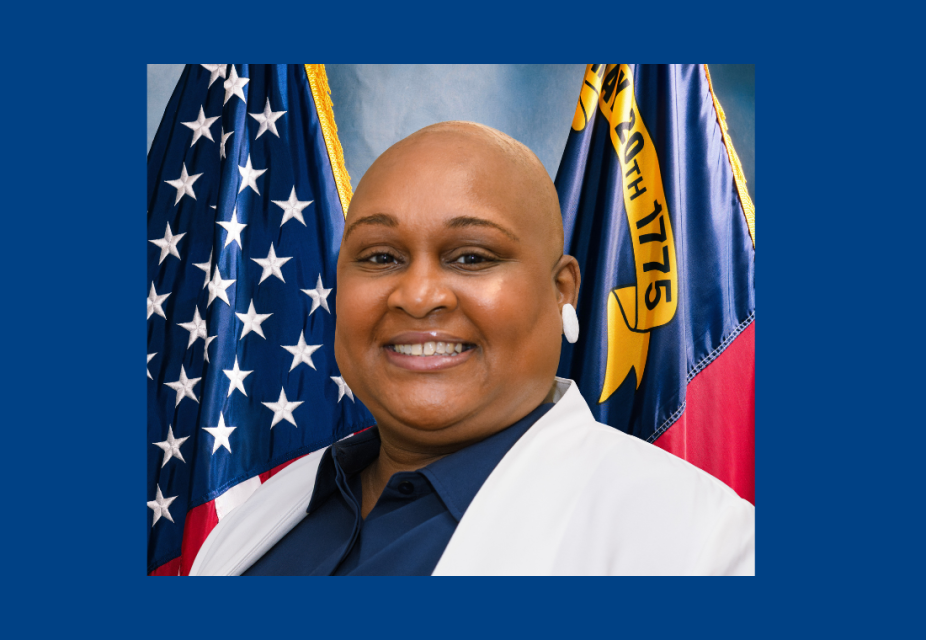
Dr. Marvella Bowman
Behavioral Health Training Director
NC Department of Adult Correction
Behavioral Health Services
831 W. Morgan Street
Raleigh, NC 27699-4277
(c) 919-622-1429
Marvella.Bowman@dac.nc.gov
www.dac.nc.gov
The North Carolina Department of Adult Correction (NCDAC), Behavioral Health Services offers four doctoral psychology internship positions. The Doctoral Psychology Internship Program is a full-time, 12-month internship with training experiences across three unique settings within our department (Central Prison, the North Carolina Correctional Institution for Women, and the Post-Release and Parole Commission). Our internship maintains membership in the Association of Psychology Postdoctoral and Internship Centers (APPIC); our APPIC member number is #2142. We offer our internship positions through the APPIC Internship Matching Program operated by the National Matching Services, Inc. Our Internship Match Code is #214211.
Overview of Department Organizational Structure
Our Doctoral Psychology Internship Program is part of a much larger departmental structure. The complexity of the overarching structure can be confusing to new staff and interns alike. NCDAC is a cabinet-level agency whose Secretary is appointed by the Governor and is comprised of multiple divisions focused on Prisons, Community Supervision, Health Services, and other areas addressing specialized activities related to training, reentry services, special operations, and intelligence services. The North Carolina Prison System is comprised of minimum, medium, and close custody prison facilities across the state of North Carolina but does not include the county jails typically operated by each individual county’s Sheriff offices. For a visual overview of prison locations and associated custody level, visit the NCDAC website: https://www.dac.nc.gov/divisions-and-sections/division-prisons
The Doctoral Psychology Internship Program exists directly within the Behavioral Health Services section of the larger NCDAC Division of Health Services. Behavioral Health Services includes the clinical services provided by our licensed behavioral health clinicians, treatment support services, and the Alcoholism and Chemical Dependency Program.
Additional information about the department is available on the NCDAC website: https://www.dac.nc.gov/
Behavioral Health Services
The NCDAC has the responsibility of delivering comprehensive behavioral health services which provide for the care and treatment of incarcerated people with mental disorders. Treatment programs contain multi-disciplinary services designed to prevent, control, reduce or eliminate those conditions which contribute to the person’s mental impairment and enhance those aspects of the person that contribute to health and wellness. These services include (but are not limited to): Patient identification and diagnosis; Services for the acutely ill; Outpatient services, Residential services, Special programs for selected diagnostic categories, and Preventive services.
Behavioral Health Services are an integral part of the agency’s mission to assist offenders in rejoining the broader social context as productive citizens. Correctional populations are traditionally an underserved population and frequently enter the prison system having significant medical and mental health comorbidities. Such issues create a challenging prospect for rehabilitation while incarcerated as well as during reentry to the community after release. Behavioral Health is well positioned to support offenders in navigating the stressors of incarceration and can provide critical diagnostic and treatment services ensuring an appropriate plan of care is in place for the offender’s ultimate success.
Our internship provides broad and generalist training for entry into the professional practice of psychology. The internship is the capstone experience to an intern’s graduate training in foundational knowledge, skills, and attitudes of the psychology profession. The internship program is a central part of our department’s mission to train and retain competent staff who can provide effective services that significantly impact the health of the incarcerated population and the broader community at large.
Internship Model of Training
Our Doctoral Psychology Internship Program espouses a philosophy and model of training that places the intern into the role of a practitioner-scholar trained to develop experiential skills within a scholarly framework. The internship program strives to reinforce the dynamic interchange between practice and scholarship. The substantive area of professional psychology represented is that of applied psychology in the criminal justice system. Correctional settings operate within a legal and political landscape in which psychology professionals are frequently called upon to account for their methods and procedures. Psychology staff must and do value the importance of remaining current in empirical and scientific knowledge relevant to this setting. Interns have already received extensive training during graduate school in the empirical and theoretical bases of applied psychological procedures. The internship builds upon the interns’ bases as they learn to deliver psychological services that account for the individual, cultural, socioeconomic, and societal considerations of a target population of underserved clients with a broad range of mental health needs.
Mission
NCDAC's Health Services Division upholds the mission and goals of the agency by approaching correctional facilities as public health stations that significantly impact the health status of the larger community and managing the patient care of incarcerated persons so as to improve the health status of the person and the citizens of North Carolina. The aim of the department is to provide care consistent with community standards and to hire, retain, and train competent healthcare professionals, while assuring the best value is obtained for the tax dollars spent.
The NCDAC has intentionally focused on building training opportunities to enhance career pathways into the correctional profession. The Doctoral Psychology Internship Program extends the training and service mission of the NCDAC by offering a training program that is informed by the profession-wide core competencies necessary to be a competent professional psychologist with a broad generalist foundation, while also having the specialized skills and ability to effectively apply those competencies within a correctional environment. In so doing, the internship program recognizes that clinical practice within a correctional setting requires the same core clinical competencies as general professional practice, but takes place within the complex legal, political, and social context of a prison. Thus, the goal of the program is to train entry-level professional psychologists who can also function competently in a correctional environment.
As mentioned above, the internship is the capstone experience to an intern’s graduate training in the foundational knowledge, skills, and attitudes of the psychology profession. The program emphasizes the applicability of training to a wide variety of patient populations and settings.
Aims of the Training Program
Development of a Professional Identity: The internship year serves as a transition from student to practitioner while becoming an entry-level professional colleague in psychology. The internship program recognizes that interns may initially experience some aspects of “imposter phenomenon” as they grow their confidence while progressively demonstrating competencies throughout the training year. By emphasizing the development of attitudes and values consistent with entry into the profession, the program faculty and supervisors not only help develop the professional identities of the interns but also build the foundation for the continued development of competency consistent with the APA Code of Ethics.
Integration of Science and Practice (Practitioner-Scholar): Interns enter the internship year with an extensive foundation in the empirical and theoretical bases of applied psychological methods, but in the correctional setting, psychologists are often called to account for the methods and procedures they employ. In this context, training faculty, supervisors, and other clinical staff model the value of remaining current in best practices and the empirical literature within this setting. Interns also practice the integration of empirical, theoretical, and scientific knowledge during case discussions, individual and group supervision, formal case and didactic presentations, and on-going self-study.
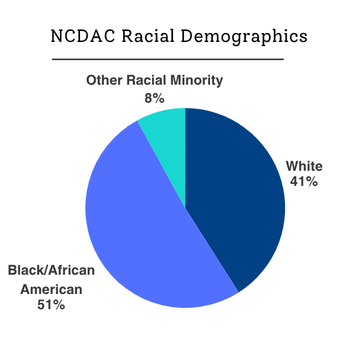
Working with Diverse and Underserved Populations: The incarcerated population in the United States disproportionately affects disenfranchised groups. Federal data (Bureau of Prisons, 2026) demonstrates this pattern in a snapshot of the demography of federal incarceration rates: (a) 5.2% youth and young adults (ages 22 and under); (b) 16% immigrant status, (c) 38.5% Black or African American, and (d) 4.7% other minority status. North Carolina’s incarcerated population, based on recent NCDAC data (2026), demonstrated (a) 3.6% youthful and young adult; (b) 4.0% immigrant status, (c) 51.3% Black or African American, and (d) 7.6% other racial minority status.
In total, the NCDAC population represents historically and currently marginalized populations. While many trainees may later choose to practice in non-correctional settings, the program strives to develop an appreciation for the provision of service to patient populations that exhibit diversity in presenting complaints, age, disability, ethnicity, gender, gender identity, language, national origin, race, religion, culture, sexual orientation, and socioeconomic status. Given the extraordinary range of individual circumstances our population demonstrates, psychologists and interns in this setting provide services to groups that are traditionally underserved.
Developing Knowledge and Skills in Correctional Psychology: Building upon the recognition that many interns seek experiences in settings that match their career interests, our internship program also strives to develop a foundational knowledge base in the law, public policy, and social factors related to the practice of psychology in a correctional environment. The development of specific expertise as a correctional psychologist during the internship year can serve as a foundation for specialization in this unique practice area.
The internship program includes three training sites within 6 miles of each other in downtown Raleigh,that offer a wide range of generalist clinical experiences. The internship program is directed by the Behavioral Health Training Director (BHTD). The BHTD leads the Training Faculty, which meets regularly to conduct reviews of the internship program, attend to administrative matters, and organize the didactic experiences and clinical training activities available in the program.
The internship training sites (Central Prison, NC Correctional Institution for Women, and the Post-Release Supervision and Parole Commission) provide a broad and representative cross section of the prison population allowing intern training experiences and case assignments from a variety of individual and clinical presentations. As noted earlier, the clientele is highly diverse. The prison population also demonstrates a growing number of incarcerated individuals who identify as transgender and are in various stages of gender affirmation and/or transition.
Approximately 26% of the prison population requires ongoing treatment for diagnosed mental disorders related to anxiety, depression, bipolar disorder, trauma, and psychosis. Other individuals in the prison system may experience subclinical levels of mental health symptoms related to environmental or life stressors and require brief interventions. Across the three training sites of the internship program, interns are exposed to a broad range of presenting concerns, individual/cultural characteristics, and level of service needs. Interns are expected to spend at least 25% of their time providing direct, face-to-face psychological services to clients.
Post-Release Supervision and Parole Commission
The North Carolina Post Release Supervision and Parole Commission is an independent agency responsible for approving and establishing conditions for the release of incarcerated individuals. The Commission is comprised of four citizens appointed by the Governor; three must agree for an incarcerated individual to be offered release programs.
The Commission may work with prison officials and the individual under consideration regarding the development of a Mutual Agreement for Parole Program (MAPP) to provide gradual access to the community for a structured transition out of incarceration. The Commission is supported by a team of parole analysts who compile information to the Commissioners and interact with incarcerated individuals and their agents.
Psychological evaluations are completed upon referral to provide additional information regarding individual risk factors and psychological needs, with a goal of increasing the likelihood that those who are released are successful in their reentry to the community at large. For individuals with mandatory release dates, psychologists provide mental health information to assist in setting conditions for release.
The NC Post Release Parole and Commission training site provides opportunities for the interns to experience and engage in a unique aspect of the transition from incarceration to community supervision. Interns participate in psychological evaluations to assist in developing recommendations regarding appropriate release from incarceration. The interns will evaluate community risk and develop recommendations for individuals in need of mental health treatment in the community under post-release supervision, completing evaluations that inform those tasked with making decisions regarding each case.
Central Prison
Central Prison is a prison with male offenders that offers outpatient psychological and psychiatric services within five distinct populations (Death Row, Restrictive Housing, Assessment/Diagnostic Center, and Regular Population). Attached to the prison is the Central Prison Healthcare Complex (CPHC). The CPHC includes Urgent Care, Dental, Physical Therapy, and Oncology sections and 122 beds designed to meet the community standards across a broad range of medical needs for this population. The Inpatient Mental Health Center has a capacity of 212 beds and is designed to address the severe mental health needs of this population through acute inpatient, chronic residential, and Therapeutic Diversion Units (serving offenders with co-occurring mental illness and behavior management problems). Built around a treatment team model, the facility offers a wide range of psychopharmacology, rehabilitation groups, assessment, intensive individual therapy, and aftercare planning.
The North Carolina Correctional Institution for Women (NCCIW)
The North Carolina Correctional Institution for Women (NCCIW) is the state’s primary correctional facility for women. NCCIW can house over 1,600 female offenders of all custody levels and control statuses including Death Row, Close, Medium, and Minimum. NCCIW was designed to house the largest offender population in the state and serves as the support facility for the state’s other female prisons. The campus-style facility sits on 30 acres of a 190-acre tract of state land in southeast Raleigh. Behavioral Health is primarily located within NCCIW’s Medical Complex, a 101,000 square foot, three-floor facility which opened in 2012. The Medical Complex employs over 300 full-time staff that assist in providing ambulatory care. Urgent care, chronic disease clinics, dentistry, dietary, physical therapy, podiatry, optometry, and OBGYN are just a handful of the many health services available on-site for the female offender population. The complex has 150 dedicated patient beds (39 inpatient medical, 70 behavioral/mental health, and 42 assisted living).
The Behavioral Health department at NCCIW provides a wide range of services from brief mental health screenings to acute inpatient services. On average, over half the female offender population is engaged in some type of mental health treatment. Outpatient services include crisis intervention as well as individual and group psychotherapy. The Medical Complex houses a Residential program, as well as the 24-bed Acute and Chronic mental health inpatient units for offenders in need of intensive mental health treatment and stabilization. In conjunction with NCCIW’s Diagnostic Center, behavioral health providers also conduct mental health screenings, assessments, and testing for new and returning offenders who may require Behavioral Health services. Behavioral health providers also offer services in specialty areas (e.g., outpatient treatment "Wellness" unit, Day Treatment Program) and collaborate with colleagues across disciplines to provide care for those in recovery through programs such as the Alcoholism and Chemical Dependency Program (ACDP), Recovery Road, and Medications for Opioid Use Disorder.
Educational and Training Activities
The twelve-month internship program is organized around four-month rotations at each of the three training sites. Each site is comprised of clinical training experiences unique to the facility that enhance the foundational training experiences (e.g., therapy, assessment, crisis intervention).
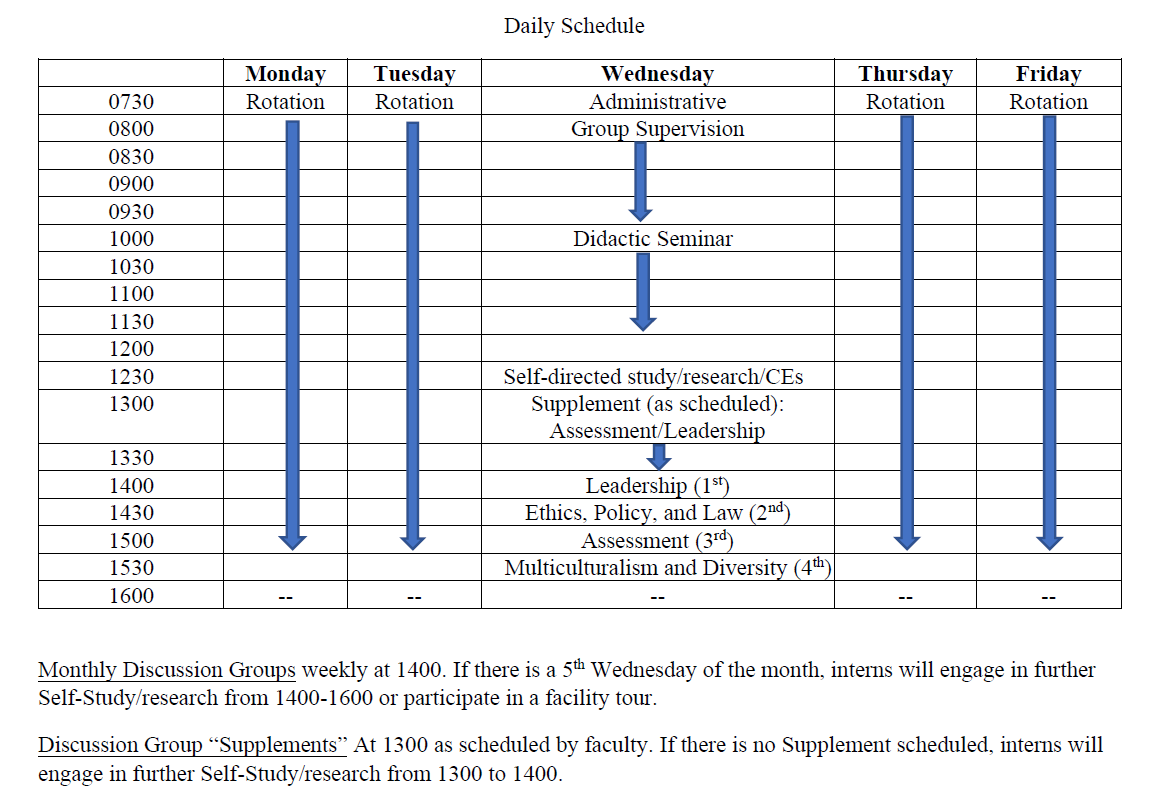
Collectively, the sites offer a wide range of generalist clinical experiences that form the foundation of a culturally competent, ethical, and professional psychologist. Each week, an intern can expect to work for four days at their assigned site (e.g., Central Prison, NCCIW, or the Parole Commission), and one day at the Randall Building (Central Office) focused on shared training activities with their fellow interns.
Each week, an intern can expect to work for four days at their assigned site (e.g., Central Prison, NCCIW, or the Parole Commission), and one day at the Randall Building (Central Office) focused on shared training activities with their fellow interns. Though the timing of rotation through each site will vary, the following sample schedule illustrates a typical week for an intern.
At each clinical setting there are opportunities to engage with staff in other healthcare disciplines including psychiatry, nursing, social work, physical therapy, primary care, and dental. The following activities take place at the two prison sites: individual and group therapy in outpatient, inpatient, residential, and other settings; crisis intervention and suicide risk assessment; psychological evaluations for diagnostic clarification and treatment planning; and diagnosing with targeted treatment planning. Each site provides a unique training experience in terms of offender population characteristics and overall facility layout.
Interns also participate in staff meetings, individual supervision, shadowing, and other hands-on experiences at their clinical rotation sites. Staff meeting examples include:
- Outpatient staff meetings (case presentations, case reviews, and discussion of pertinent information)
- Inpatient staff meetings (review of weekend inpatient admissions and rounds)
- Multidisciplinary meetings with Facility Administration (pertinent information from Facility Warden, discussion of identified significant cases at the facility)
- Facility Transgender Accommodation Committee (FTARC) meetings (as needed to discuss facility’s accommodation of individual offender’s gender transition support)
- Alcoholism and Chemical Dependency Program (ACDP, multidisciplinary meeting to review substance use treatment issues and comorbid cases)
- Health Services meetings (led by Health Services CEO for facility, includes health service disciplines, review of pertinent information and critical cases)
- Continuous Quality Improvement (CQI) committee meetings (review key performance indicators related to CQI projects)
Built into the weekly schedule is a dedicated day to focus on common training activities, including didactics (2 hours per week), group supervision (2 hours per week), independent study and research, and monthly discussion groups. The seminar didactics are taught by licensed psychologists and other professionals, and typically include well-designed PowerPoint Presentations, handouts, and recommended readings to supplement the topic. Group supervision is led by the Training Director and focuses on professional identity and development. A variety of subjects are addressed, such as models and practice of supervision, social and racial justice, current events that impact clinical practice, complex case reviews, and preparing for licensure and independent practice.

Interns are encouraged to engage in ongoing research and self-directed study. Time is allotted each week for interns to continue working on their dissertations, to collaborate with ongoing staff projects, or to initiate a new research endeavor. Interns can also use this time to attend Continuing Education seminars and workshops, which are available throughout the year. For example, in previous years interns attended workshops on such topics as violence risk assessment, clinical supervision, and personal health and wellness.
Monthly discussion groups and meetings further complement the education and training of interns.
Discussion group topics include:
• Leadership and supervision designed to prepare interns for future supervision and training roles;
• Multiculturalism and diversity focusing on how cultures and subcultures intersect and impact our lives and the lives of our clientele;
• Overview and practice administration of selected psychological assessments in correctional psychology; and
• Ethics, policy, and the law with attention paid to applicable standards (e.g., APA, ACA, NC Practice Act, NCDAC policy), relevant statutes, mental health case law, the Standards for Educational Testing, and other guidelines.
Interns also participate in state-wide Behavioral Health meetings (2 hours per quarter).
The common training day (typically each Wednesday) occurs at the Randall Building (Central Office) and is separate from the training sites. This protected day ensures that the full training cohort engages in shared training experiences. Group supervision sessions are for interns only, but other staff participate in the statewide Behavioral Health meetings and may participate in select didactics and discussion groups.
Description of Clinical Experiences
Outpatient - Outpatient services involve initial assessments of offenders requiring or seeking services at any point during their incarceration. Interns conduct individual therapy with assigned offenders as well as group therapy. Training exposure to outpatient services is offered at Central Prison and NCCIW in Raleigh.
Diagnostics Processing - Diagnostic services involve multi-disciplinary screening and assessment of individual offenders as they enter the prison system. Each offender typically spends 2 - 6 weeks in a processing center before being transferred to a more permanent facility or housing location. Behavioral health services in processing include what is considered outpatient services, comparable to an intake screening or assessment. For instance, the intern meets with an offender to determine potential mental health treatment needs and if treatment is required, offer recommendations for the primary therapist assigned. An intern is most likely to gain this experience at NCCIW.
Residential Mental Health - Residential services include a program of activities designed to assess, stabilize, treat, and transition seriously mentally ill offenders to their greatest level of independence. Participation on a multidisciplinary team within the defined program is required. Residential services are offered at Central Prison and NCCIW.
Inpatient Mental Health - Inpatient services are provided in the Raleigh area at Central Prison for males and the North Carolina Correctional Institution for Women. Crisis admissions, stabilization and transfer, and long-term management of the most seriously mentally ill offenders are provided at this level of care. Participation in treatment teams is a key element.
Therapeutic Diversion Units - The purpose of Therapeutic Diversion (TDU) is multifaceted, including goals of decreasing time spent in Restrictive Housing by seriously and persistently mentally ill offenders and selected offenders currently receiving behavioral health services, decreasing offender violent, self-injurious/suicidal, or otherwise disruptive behavior; providing evidence-based and multidisciplinary behavioral health-oriented therapeutic programming to offenders; and preparing offenders for successful transition from more to less restrictive environments within NCDAC prisons or to the community at large. An intern may gain exposure to the TDU at Central Prison.
Parole Commission Evaluations - The North Carolina Post-Release Supervision and Parole Commission is an independent agency responsible for approving and establishing conditions for the release of incarcerated individuals. Psychological evaluations are completed upon referral to provide additional information regarding individual risk factors and psychological needs, with a goal of increasing the likelihood that those who are released are successful in their reentry to the community at large.
All doctoral psychology interns receive a minimum 4 hours of weekly supervision from licensed doctoral psychologists. Each intern receives supervision from at least 2 different supervisors during the internship training year. Individual supervision is provided at a minimum of 2 hours per week and 2 hours of group supervision is provided each week (with an additional 8 hours per month through the 4 monthly discussion groups).
Following the intern’s orientation to supervision, each supervisor will review the Supervision Contract with the intern; each will sign and date the form once any questions and/or concerns are resolved.
The supervisor will keep a copy, give a copy to the intern, and send a copy to the Internship Training Director.
Supervisors are ethically and legally responsible for the work and professional conduct of their intern-supervisees. Supervisors uphold and model standards and practices consistent with the Ethical Principles of Psychologists and Code of Conduct of the American Psychological Association, as well as other applicable standards (e.g., from the North Carolina Psychology Practice Act; Title 21, Chapter 54 of the North Carolina Administrative Code (21 NCAC 54). In addition, they and the intern will abide by the NCDAC’s applicable policies and directives. The intern supervisor provides supervision within the framework of these recognized professional and ethical licensing standards and guidelines for psychologists, as well as the policies of the NCDAC. These standards include, but are not exclusive to, due process, informed consent, documentation, avoiding dual relationships, harassment, sexual exploitation or abuse, competence, consultation, confidentiality, duty to warn, and program and intern evaluation.
The intern supervisors are North Carolina-licensed, doctoral-level psychologists in good standing and in compliance with current licensing standards. Supervisors are qualified to provide supervisory oversight in the specific areas in which they provide supervision. If an intern has a training need outside the individual supervisor’s areas of competence, other arrangements will be made with additional qualified on-site psychology staff. Training records are maintained by both the supervisor and the Training Director.
Primary group supervision is provided by the Internship Training Director once a week for two hours, which serves several functions. It provides weekly contact with the Training Director who can address general administrative concerns and keep a finger on the pulse of what is happening with interns and the internship process. It provides a meeting forum where interns can exchange views and experiences and build their peer relationships. It also serves as a group experience that can foster individual and professional development. Each intern also has an additional hour of individual supervision per month with the Training Director.
At NCDAC interns are acculturated into the roles of professional psychologists who work in a public sector, correctional setting. Successful completion of the internship requires 2080 hours of supervised experience (40 hours per week for 52 weeks, excluding sick, vacation, and holiday time. See Work Hours and Leave in the Internship Eligibility, Stipend & Benefits Tab below.) and a rating of “4” (Competent) or higher for each competency element on the final evaluation.
Interns’ readiness for entry-level practice is formally evaluated at the end of each trimester/four-month rotation using the Intern Evaluation form. The evaluation form includes a 5-point rating scale for each competency with behaviorally anchored benchmarks. Interns are given timely and written notification of any problems that occur as well as opportunities to discuss problems with the Site Supervisor and the Training Director.
Interns are evaluated across each competency area using the rating scale below:
- 5 = Proficient: The intern has a well-established competence in the element being evaluated. The use of the element is consistently incorporated into the intern’s work as an emerging psychologist and is evident in their daily professional practice. Intern is able to reflect on their experience of the element and knows when to consult. The intern functions in this element at a level that could allow them to work independently. This level characterizes the competency of an experienced post-doctoral resident.
- 4 = Competent: The intern demonstrates competence in the element and frequently applies it in their work without need for assistance. The use of the element is frequently demonstrated in the intern’s work in a broad range of clinical and professional activities. They generalize skills and knowledge to new situations and exhibit awareness of need for additional assistance (e.g., training, supervision, consultation). Supervision focuses on further refining and developing advanced performance of this element. Intern is ready for entry-level practice.
- 3 = Maturing Competence: The intern is aware of the element and can utilize this awareness to inform their work in the internship setting, though the intern may still need assistance to regularly use the element.Ongoing supervision and monitoring are focused on continued advancement, integration, and consistency. Intern is nearing readiness for post-doctoral supervised experience and will need further attention on this element to be able to function completely independently.
- 2 = Emerging Competence: The intern has a basic foundation in the element and moves toward acquiring competence in it. The intern may have cognitive understanding or experiential skill with the element, but those may not be well integrated. Significant supervision and monitoring are required to support the skill. While a formal remediation plan is not necessary, steps will be taken to provide additional assistance in developing skill with this element.
- 1 = Insufficient Competence: The intern does not understand or is unable to effectively demonstrate the element. The intern does not understand the element, is unable to effectively demonstrate the element, or the intern exhibits behaviors indicating lack of readiness for the work that will be required in the internship setting. A doctoral intern evaluated at this level will require immediate augmented supervision or structured training opportunities. No confidence in ability to function independently at this time. This level of competency prompts the development of a formal remediation plan.
- N/O= Not Observable/Applicable
The individual Site Supervisors complete the evaluations. The Internship Training Director provides feedback that may be incorporated into the evaluation. The evaluations are reviewed and signed by both supervisor and the intern. These are provided to the Training Director, who also discusses with the interns their progress and areas of continued growth. Communication between the Site Supervisors and Training Director is ongoing, but also takes place at this time. Copies of interns’ progress (i.e., their supervisor evaluations) are shared with their doctoral programs at mid-year and end of the year. Any additional evaluation requirements requested by the intern’s school are completed upon request.
Each intern completes written evaluations of the internship program, their individual supervisors, and the didactic trainings at the end of each trimester. Interns are encouraged to be candid with their input regarding areas where supervisors might need to enhance their skills or adjust their supervision style. The evaluations are submitted to the Training Director and this information is considered in evaluating the functioning of the internship program. Significant concerns about supervision within a specific program area or with a specific supervisor would be addressed to the relevant staff on an individual basis by the Training Director.
In addition to completing scheduled evaluations of the program and supervision, the intern is also encouraged to discuss any issues and concerns with the individual Site Supervisor or the Training Director as they emerge. Attempts will be made to negotiate and work out differences and conflicts so that the intern can focus on learning and developing proficiency as a professional psychologist. As described in the Due Process and Grievance Procedure policy, the intern also has a formal grievance process available.
Interns evaluate didactic trainings after each seminar. The information gathered from these reviews are summated by the Training Director and forwarded to the presenters. The feedback is used in making improvements and planning for future didactic offerings.
At the end of the training year, interns also engage in a group feedback session with the Training Director, providing an additional opportunity for them to share their thoughts for improving the program. Feedback is solicited about all aspects of the training program, such as the general work environment, supervision and didactic activities, training program coordination and leadership, etc.
Six months following completion of the internship, interns are sent a post-internship survey to complete. This allows interns an additional opportunity to provide feedback about the training and supervision they received. This information is used to make continued improvements to the training program.
Training Resources
NCDAC has a wide range of training resources available to meet the needs of interns. We have a wealth of printed and digital educational information and videos pertinent to issues common to the various populations that are treated. Interns have access to computers for scoring psychological tests and report writing. Time off for relevant training may be granted by the intern’s Site Supervisor and Training Director. Clerical staff assist with scheduling and provide other support functions. Like all staff, interns have office and computer access with e-mail and internet services.
Applications are accepted from students in APA accredited doctoral programs in clinical, counseling, or combined areas of psychology. A minimum of 1,000 practicum hours are expected to have been completed prior to the ranking deadline. All formal doctoral coursework, comprehensive exams, practicum training requirements, and dissertation proposal should be completed prior to beginning the internship.
Also, a criminal background check is required (completed by our internal departmental security services at no expense to the intern candidate) prior to the ranking deadline. All State employees, including interns, are subject to testing for any controlled substance listed in Schedules I through V of the Controlled Substances Act (21 U.S.C. 812) and any drug listed in Schedules I through VI of the North Carolina Controlled Substances Act. Note: cannabis (marijuana) is considered an illicit substance in North Carolina.
Required minimum criteria used to screen applicants:
- Three years or more of pre-internship training in an APA accredited doctoral program in psychology. Completion of at least 1,000 practicum hours.
- Advancement to candidacy for doctoral degree (i.e., completion of comprehensive exams, completion of all doctoral program course requirements).
- Master’s degree in psychology or equivalent experience (per NC Psychology Practice Act; G.S.90270) by ranking deadline.
Stipend and Benefits
- $66,696 annual salary, paid monthly State Health insurance
- State Retirement Plan
- 15 days Personal Leave per year 12 days Sick Leave per year
- 12 State Holidays (per official state schedule); 1 day Personal Observance Leave
- Paid Parental Leave
Full State Employment
Interns with the North Carolina Department of Adult Correction are fulltime employees with the state of North Carolina in time-limited positions. Each intern is in a fully salaried state position with full state benefits. This means that each intern receives the full benefits package afforded to state employees including earning creditable service time within the State Retirement pension plan. See https://oshr.nc.gov/state-employee-resources/benefits for full details.
Health Insurance
Interns are eligible for the same benefits as fulltime state employees. As part of the New Hire process, interns will have the opportunity to select the Health Plan they prefer. Visit: https://oshr.nc.gov/state-employee-resources/benefits/state-health-plan https://www.shpnc.org/
Work Hours and Leave
Each intern is expected to complete a fulltime twelve-month internship experience corresponding to an approximate 2,000-hour training year. This means that the expected schedule for each intern includes a 40-hour work week for 52 consecutive weeks. Our internship program does not allow interns to work on-site during state holidays as the immediate availability of supervisors is limited on those days. The state typically has 12 holidays per year.
Interns are also allowed up to 26 days of leave (personal, vacation, sick) during the internship year for a total allotment of 304 hours of leave/ holidays (12 holidays and 26 days leave). Interns seeking to use leave should request time off in advance by emailing the site-supervisor responsible for the impacted training site/clinical setting and copying the Training Director (as well as any other impacted staff or ancillary supervisor). Interns experiencing unanticipated illnesses should send notifications as soon as possible, but always prior to the start of the workday. Also, interns who match with our site are encouraged to review the leave policies as they relate to which types of leave are eligible to be paid-out at the completion of employment (end of internship unless hired into a permanent position with us post-internship).
Interns requiring extended leaves of absence due to maternity/paternity needs or extended illnesses should consult with the Training Director and the Site Supervisor; certain situations may require an extension of the training year to accommodate the absence.
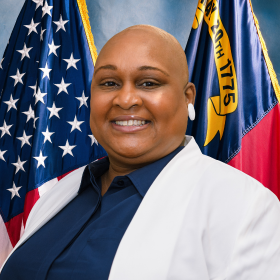
Marvella Bowman, Ph.D.
Behavioral Health Training Director
University at Albany, State University of New York (2012)
Internship: Miami Children’s Hospital Psychology Department
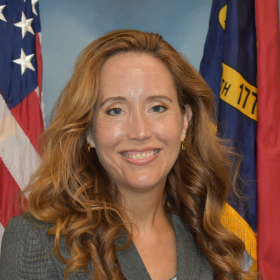
Heidi Dropkin, Ph.D.
Behavioral Health Regional Section Chief, Central Region
Bowling Green State University (2002)
Internship: Salem VA Medical Center
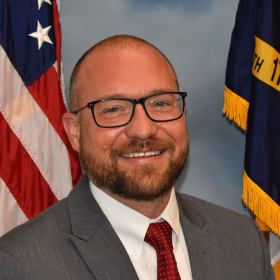
Lewis J. Peiper, Ph.D.
Chief of Behavioral Health
University of Georgia (2009)
Internship: Medical College of Virginia, Virginia Treatment Center for Children
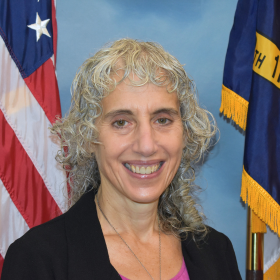
Ronni Margolin, Ph.D.
Senior Psychologist
Georgia State University (1991)
Internship: Colmery-O’Neil VA Medical Center
Fellowship (1993): Karl Menninger School of Psychiatry
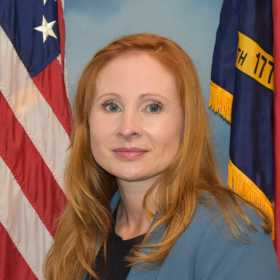
Melissa Mowder, Ph.D.
Behavioral Health Clinical Services Section Chief
Indiana University (2008)
Internship: Green Chimneys Children Services

NCDAC's headquarters buildings is located in downtown Raleigh, the Capital of North Carolina. Raleigh is situated halfway between the Blue Ridge Mountains and the beautiful beaches of North Carolina’s Outer Banks. The city is adjacent to Durham and Chapel Hill, and the region is known as the Research Triangle Park (RTP) because it hosts a number of high-tech companies specializing in biotechnology, pharmaceuticals, software development, computers, and robotics. The RTP is one of the world’s greatest technological research parks, where companies like Lenovo, Sony, IBM, Cisco, Nortel Networks, and Apple have their headquarters. Fortune magazine has repeatedly recognized the triangle as one of the best areas for business in the U.S., and Money Magazine surveys consistently rank the Raleigh/Durham/Chapel Hill area among the “Best Places to Live in America.”
The Triangle is known for its incredible educational opportunities and hosts several major universities, including North Carolina State University, the University of North Carolina, and Duke University, as well as several other colleges and teaching institutions. It is no wonder the Triangle lays claim to the highest per capita proportion of Ph.D.’s and M.D.’s in the country. People come from all over the world to study or work in the Triangle, and the community exhibits remarkable cultural, social, and political diversity. Aside from visiting students and professionals, approximately half of local residents are not originally from North Carolina.

Raleigh and the surrounding area are beautiful places to live and work. The rolling hills, pine trees, numerous lakes and natural landscape provide for enjoyable cycling, hiking, kayaking, fishing, golf, and many other outdoor activities. The climate is temperate but mild, with more than 230 sunshine days each year, spring and fall temperatures averaging a perfect 72 degrees, and brief winters with daytime highs hovering around 50 degrees. Several beaches and the mountains, including the Blue Ridge Parkway, are within a short drive.

There are also numerous cultural, historical, and educational amenities in the area, including a performing arts center, science and art museums, music festivals, and the North Carolina symphony and orchestra. For professional sports fans, the NHL Carolina Hurricanes are located in Raleigh and the NFL Carolina Panthers and MLS Charlotte FC are less than 3 hours south in Charlotte. The Durham Bulls are the local AAA affiliate of the Tampa Bay Rays. The local universities are also a hotbed for college basketball, football, and other sports.
For additional information about the area, visit www.raleighchamber.org
| Date | Didactics/Training Events | Presenter(s) | |
|---|---|---|---|
Orientation | 8/3 Through |
| See Orientation Schedule for details |
| 8/12 | Location change: Orange Correctional PEACE Center Introduction to Supervision | Marvella Bowman, Ph.D. Jon Peiper, Ph.D. | |
| 8/19 | PANEL: Interdisciplinary Model Overview: Health Services | Health Services Leadership | |
| 8/26 | Interdisciplinary Model Overview: Security and Special Operations within Prisons | Ken Smith, Emergency Preparedness Director | |
9/2 | PANEL: Programs Available to Offender Population | Rehabilitation &Reentry Services Staff | |
| 9/9 | Interdisciplinary Model Overview: Social Work Services in the Prison System | Mary Grillo, MSW | |
| 9/16 | Maintaining Professional Boundaries and Security | Morgan Gunter, Psy.D. | |
| 9/23 | Statewide Behavioral HealthMeeting | Jon Peiper, Ph.D. | |
| 9/30 | Trip to Correctional Facility: Pender Correctional Institution | ||
| 10/7 | Behavioral HealthServices Clinical Programs Overview | Melissa Mowder, Ph.D. | |
| 10/14 | Group Therapy in Prisons | Kaylla Jackson, Psy.D. Raina Kor, Psy.D. |
10/21 | Core Competency Modelfor Corrections: Self-Directed Violence Risk Assessment and Management (Week 1 – Competencies 1 & 2) Personal Attitudes and Reactions to SDV &Developing a Professional Stance | CCM-C Trainers | |
10/28 | CCM-C (Week 2 - Competency 3) IdentifyEvidence-Based Risk and Protective Factors | CCM-C Trainers | |
10/28 | CCM-C (Week 3 - Competency 4) Assess Self-Directed Violence Intent and Plans | CCM-C Trainers | |
11/4 | CCM-C Week 4 – Competency 5 Determine Levelof Risk for Self-Directed Violence | CCM-C Trainers | |
11/11 | Veteran’s Day Holiday | ||
11/18 | CCM-C Week 4 - Competencies 6-8 (extended session: 10am – 1pm) Evidence-Based Treatments for Self-Directed Violence, Social Support Considerations in SDV Prevention, & Clinical Documentation Best Practices | CCM-C Trainers | |
11/25 | Feigning in Correctional Settings: Barriers to Accurate Assessment Followedby discussion re: application to DAC facilitated by Dr. Bowman. https://vimeo.com/866330472 | Recorded webinar by Michael Vitacco, Ph.D., ABPP | |
12/2 | CCM-C Week 5 - Competency 9 Legal and EthicalConsiderations in Self-Directed Violence Prevention | Jon Peiper, Ph.D. | |
12/9 | CCM-C (Week 6 – Competency 10) Apply techniques for self-care and debriefing. | CCM-C Trainers | |
12/16 | Statewide Behavioral Health Meeting | Jon Peiper, Ph.D. | |
12/23 | Winter Holiday | ||
12/30 | New Year Holiday | ||
1/6 | Aftercare Concerns among Incarcerated Individuals with Serious Mental Illness (SMI): Formerly Incarcerated Transition (FIT) Program | Mary Grillo,MSW, LCSW Ted Zarzar, MD | |
1/13 | Guardianship and Offenders | Gregory Holloway, MSW, LCSW, & Kenneth Yearick, PhD | |
1/20 | Criminal and Civil Competencies | Evan Du Bois, Psy.D. | |
1/27 | INTERN PRESENTATION: Rest Unequal - Sleep Disturbances and Family Mental Health in Down Syndrome: A Three-Study Multi-Method Approach (9AM) | Sophie Hirsch, MA | |
| S.H.I.E.L.D. (Support. Hope. Inclusion. Empowerment.Loyalty. Dedication.) & The Science of Hope | Robert Fields, MA, LPA | ||
2/3 | Responder Assistance Initiative/ Integrated Behavioral Health Services | Nico Sirianni, Psy.D., LP, HSP | |
2/10 | Sex Offender Accountability and Responsibility Program (S.O.A.R.) | Monica Bauguess, MA Joycelyn Albury, PsyD | |
2/17 | Behavior Principles | David F. Richards, Ph.D. | |
2/24 | Transgender Health: An Overview | Katherine Croft,BSN, RN |
3/3 | The Good Lives Model: A Strengths Based Approach to Treating Individuals with Legal Histories | BrittanyPereira, Psy.D. | |
3/10 | INTERN PRESENTATION: Dynamic Risk in Juvenile Offenders Serving Community Placement: An exploration of Changes, Differential Significance, and Recidivism | Olivia Tasheuras, M.S. | |
| Forensic Psychologists & Courtroom Testimony (11am) | Robert Cochrane, Psy.D., ABPP | |
3/17 | Statewide Behavioral HealthMeeting | Jon Peiper, Ph.D. | |
3/24 | INTERN PRESENTATION: Discretionary Justice: Exploring Parole Decisions at the Intersection of Age and Race | Sydni Parnell, M.A. | |
3/31 | Trip to Correctional Facility: Eastern Hub | ||
4/7 | Using Psychoeducation to Reduce Hopelessness in Prisoners | Russell Owens,PsyD | |
4/14 | INTERN PRESENTATION: Machine Learning Approaches to Profiling: Cross-Cultural Patterns in Serial Homicide | Sneha Gupta, M.S., M.A., LL.B. | |
4/21 | Working with Membersof Security Risk Groups | Steve Jones, M.A. | |
4/28 | Peer Support Training in First Responders | Megan Arnold, Psy.D. | |
5/5 | Peer Support Specialist Program | Shanna L. May, MSW, MAEd, LCAS, LCSW,CCS Melissa H. Mowder, PhD | |
5/7 | Off-site Retreat (full day) Professional Identity S.H.I.E.L.D. Presentation & Wellness Activities | Martha Turner-Quest, Executive Director North Carolina Psychological Association Representative S.H.I.E.L.D. Representatives | |
5/12 | Peer Observer Program | Jeanine Slater, MA | |
5/19 | Effective and Empowering Psychotherapy for African American Women | Kaylla Jackson, Psy.D. | |
5/26 | SMI Medication Management Group | Gen Allison, PhD | |
6/2 | Traumatic Brain Injury | Rita Crump, M.A., LPA | |
6/9 | Legislative Affairs+ Legislative Tour (Off Site – date may change based on Legislative Calendar) | Justin T. Davis, MPA | |
6/16 | Statewide Behavioral Health Meeting | Jon Peiper, PhD. | |
6/23 | Litigation Preparation for Behavioral HealthClinicians | Orlando Rodriguez, JD, MPA | |
6/30 | Exploring the Relation of Access to Health Care with Gender Euphoria in Adults | Lyndon Sherman, PhD | |
7/7 | Demystifying Licensure in North Carolina | Rebecca Osborne | |
7/14 | Healthy Professional Relationships | Heidi Dropkin, PhD | |
7/21 | PANEL: Life After Internship | Former Interns | |
7/28 | Year-End Celebration | Faculty, Interns & Guests |
Questions or requests for assistance may be directed to:
Dr. Marvella Bowman, NCDAC Behavioral Health Training Director
marvella.bowman@dac.nc.gov.