
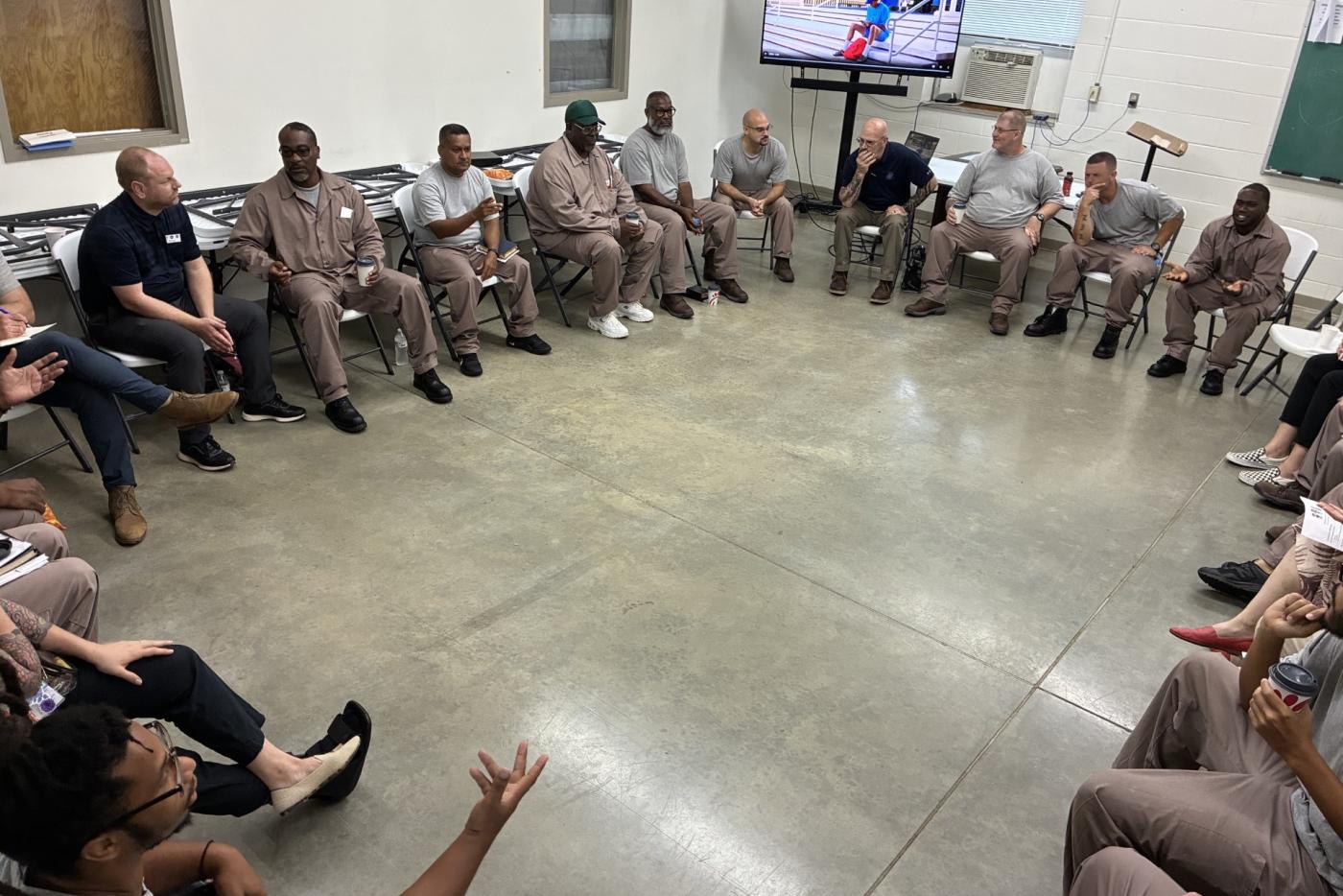
The North Carolina Department of Adult Correction offered restorative justice training to 33 incarcerated field ministers and seven NCDAC chaplains at Nash Correctional Institution on August 11-13, 2026. The training was a partnership between Campbell Law School, Restorative Justice Durham, Duke Divinity School and Judson College of Southeastern Baptist Theological Seminary, under the direction of NCDAC Chaplaincy Services.
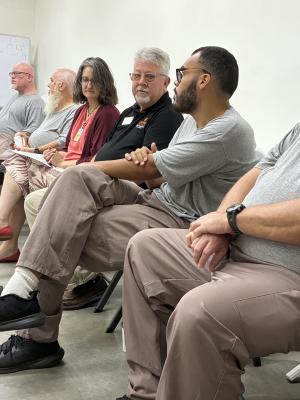
Restorative justice is a way of addressing harm that centers the needs of people affected by harm while also giving those responsible an opportunity to acknowledge their actions and take responsibility. A typical process includes intake and referral, voluntary consent, preparation meetings, a restorative circle and development of an agreement or action plan. These conflict-mediation processes are embedded in communities of restorative practice, where participants are meeting regularly in circles to learn active listening and community-building skills that support violence reduction and alternative responses to harm. Rooted in shared values and circle-based peacebuilding, Restorative justice brings together people who might not engage in a safe, healthy way otherwise to develop meaningful ways to address and repair harm. Unlike traditional approaches to justice that primarily focus on what law was broken, who broke it and how they should be punished, restorative justice asks broader questions, such as: Who was harmed? What do they need? Who is responsible for meeting those needs? What can be done to repair the harm and prevent it from happening again?
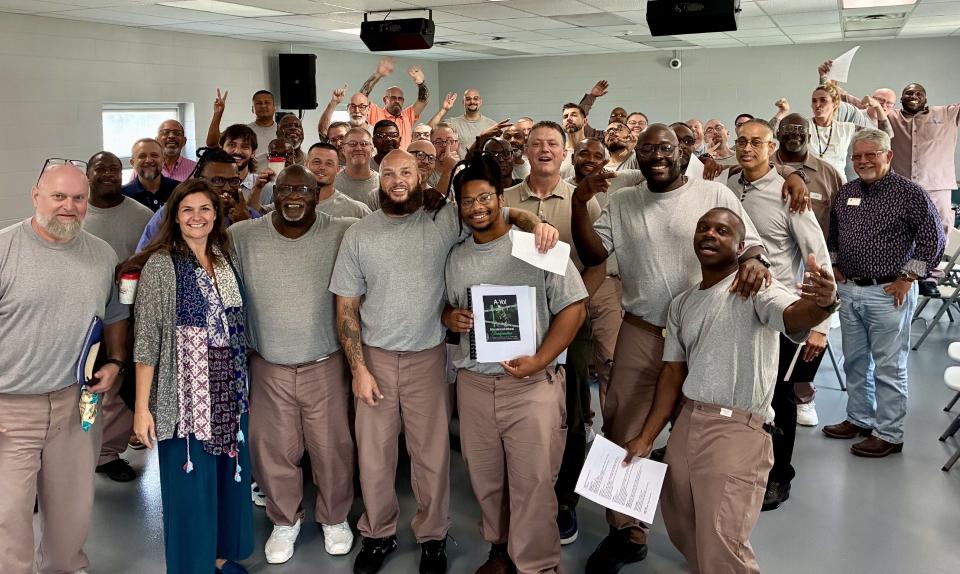
During the training at Nash CI, Restorative Justice Durham and Campbell Law facilitators led sessions focused on circle practices and conflict mediation. Chaplains and incarcerated leaders will return to their home facilities to put their learning into practice. This training reflects NCDAC's commitment to equipping incarcerated field ministers and NCDAC staff with tools to build safer communities inside facilities. By using restorative justice principles in NCDAC Chaplaincy Services, we can help prevent violence before it occurs and respond to harm after it occurs in ways that restore both incarcerated people and staff to their relationships with one another.