
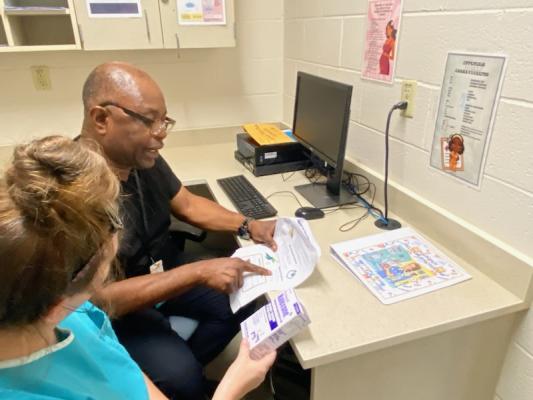
For offenders struggling with opioid use disorder, access to treatment and lifesaving resources can make all the difference. Within the North Carolina Department of Adult Correction (NCDAC), efforts to prevent opioid-related overdoses extend beyond the walls of its prison facilities.
Through the Medication for Opioid Use Disorder (MOUD) program NCDAC is working to help individuals in its care and custody receive the treatment and resources they need—both during incarceration and after returning to their communities. NCDAC launched its MOUD pilot program in 2020. Since its launch the program has grown significantly, with 30 facilities now providing MOUD services, including during pregnancy, prior to reentry and sustained treatment for individuals with short sentences already receiving the treatment, growing from 191 participants in 2024 to 1,321 in 2025. 1,131 people have participated so far this year.
NCDAC equips its workforce to respond when emergencies happen. Naloxone, often known by the brand name Narcan, is a life-saving medication that rapidly reverses an opioid overdose. Many NCDAC staff receive Narcan training and correctional officers, and parole and probation officers carry the medication on their utility belts on a daily basis. Medical staff also have access to naloxone for administration when clinically indicated.
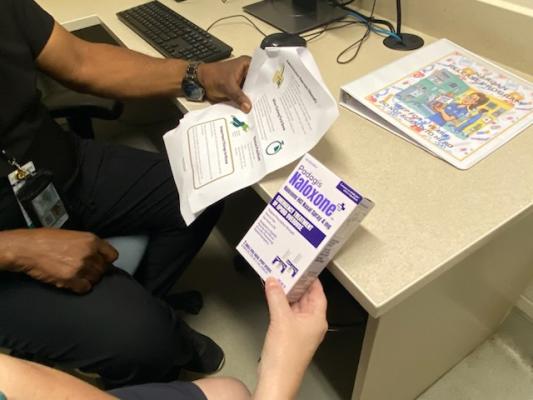
Treatment is only part of the department's approach. In the past year, NCDAC provided more than 14,000 doses of Narcan to individuals being released from custody, helping ensure they have access to an important tool for preventing opioid overdose. Since 2021, the department has distributed 23,598 doses to people leaving NCDAC facilities. According to NCDAC Health Services, no opioid-related deaths have been reported in the department's facilities in the past two years.
Concurrent with MOUD treatment, individuals are also provided necessary psychosocial support through programs such as Recovery Road and the Alcoholism and Chemical Dependency Program (ACDP) prior to their return to the community. The department is also focused on supporting individuals after they return to the community, through partnerships with community organizations; including NC-FIT (NC Formerly Incarcerated Transition), NCDAC is working to strengthen continuity of care and connect individuals with resources that support recovery.
From intake through release, NCDAC's approach recognizes that effective health care doesn't end when someone leaves our custody. By expanding treatment access, preparing staff to respond to emergencies and supporting individuals during reentry, the department continues working to prevent overdoses and help save lives throughout the state.