
2025 Annual Report

2025 ANNUAL REPORT
Introduction
Message from the Secretary
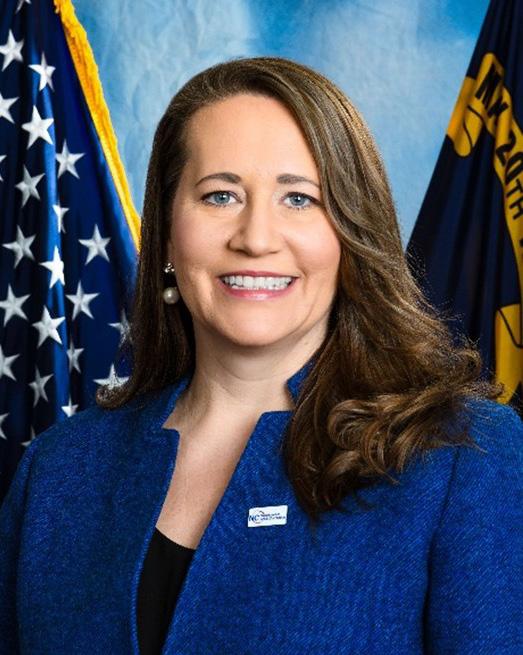
Over the past 12 months, during my first year as Secretary, I’ve had the pleasure of meeting many of our employees and seeing and learning about the great work they are doing to serve and protect the people of North Carolina in every county, from the mountains to the coast.
This report shares the work of a team of more than 14,000 dedicated people working to protect public safety for all North Carolinians, reduce recidivism and support each other.
I’m grateful for all we accomplished in 2025. We face some significant challenges in the years ahead with staffing, salary improvement and continued improvements to safety and security of our facilities.
I know we are up to the task and I’m excited to continue this important work with an outstanding team.
Leslie Cooley Dismukes
Secretary
About NCDAC
Reestablished as a stand-alone Cabinet agency on January, 1 2023, the NC Department of Adult Correction is completing its third year as a new cabinet agency, and its first year in Governor Josh Stein’s administration.
Our Principles
We are guided by a new four-year strategic plan (2025-2029) with six goals and 24 objectives to achieve tangible results for our agency, our colleagues, and those we serve.
MISSION
Ensure public safety through protection, innovation, and rehabilitation.
VISION
Create a safer North Carolina.
VALUES
Integrity, Transparency, Professionalism
GOALS
- Grow our workforce.
- Support our employees.
- Strengthen safety and security.
- Upgrade infrastructure and technology.
- Modernize and improve our healthcare system.
- Reduce recidivism.
By the Numbers
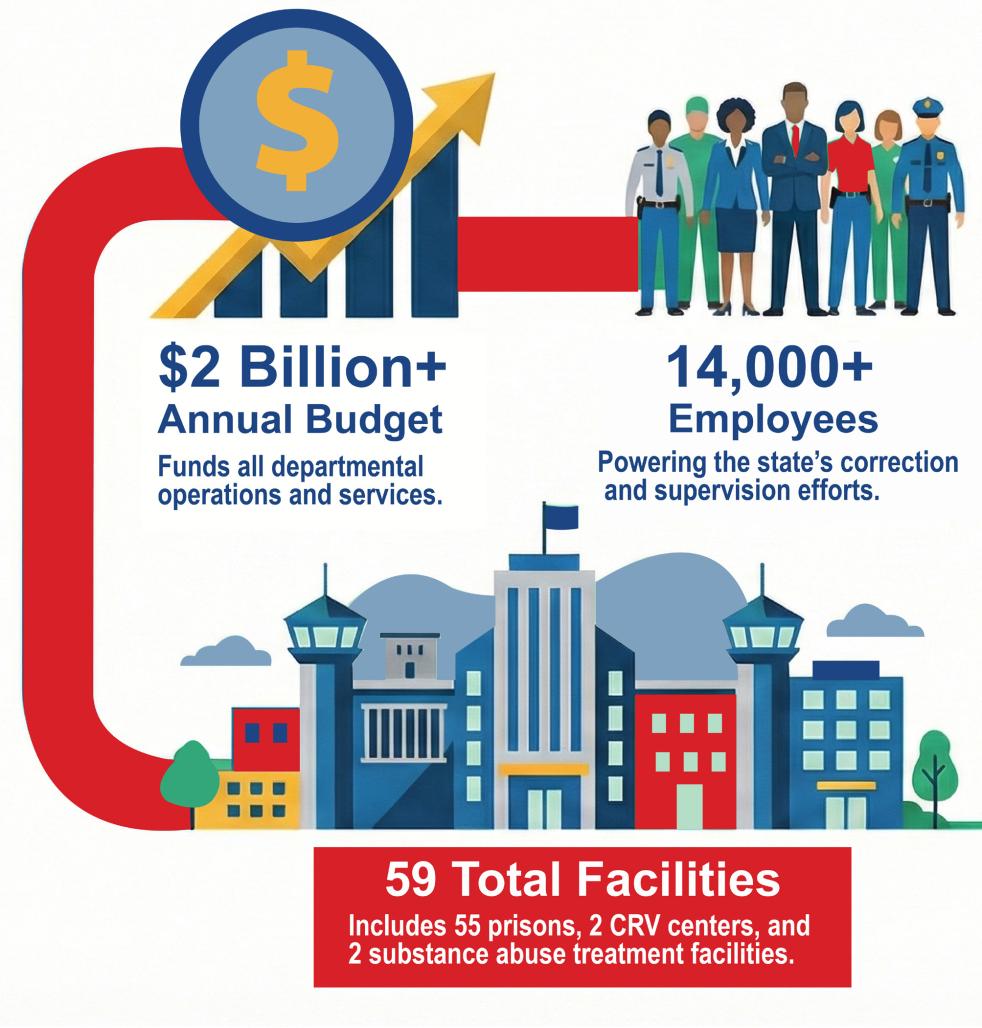
$2 Billion+ Annual Budget
Funds all departmental operations and services.
14,000+ Employees
Powering the state's correction and supervision efforts.
59 Total Facilities
Includes 55 prisons, 2 CRV centers, and 2 substance abuse treatment facilities.
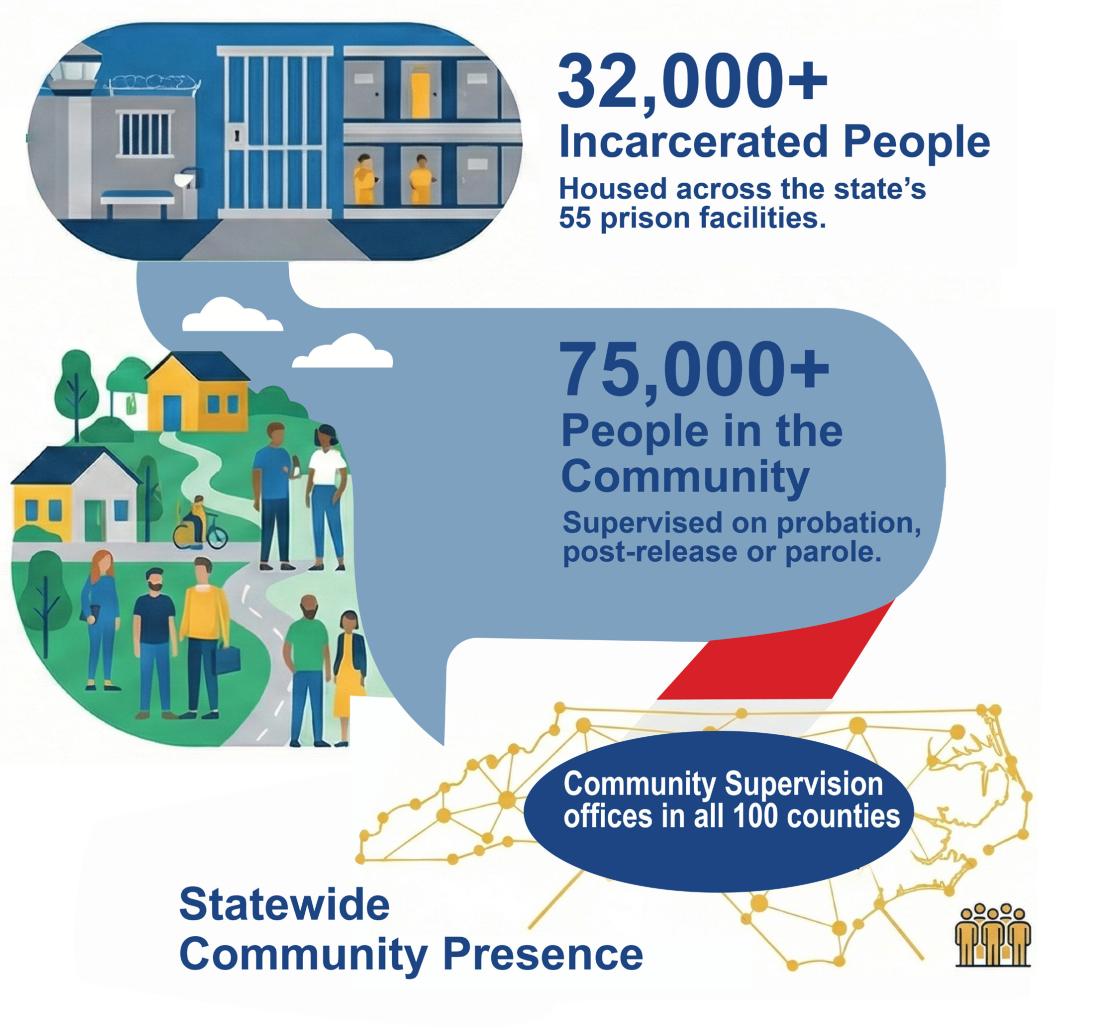
32,000+ Incarcerated People
Housed across the state's 55 prison facilities.
75,000+ People in the Community
Supervised on probation, post-release or parole.
Statewide Community Presence
Community Supervision offices in all 100 counties
Male 92%
Organization
New organizational changes implemented in October will help senior staff focus on areas of expertise and promote cooperation and communication throughout the agency.
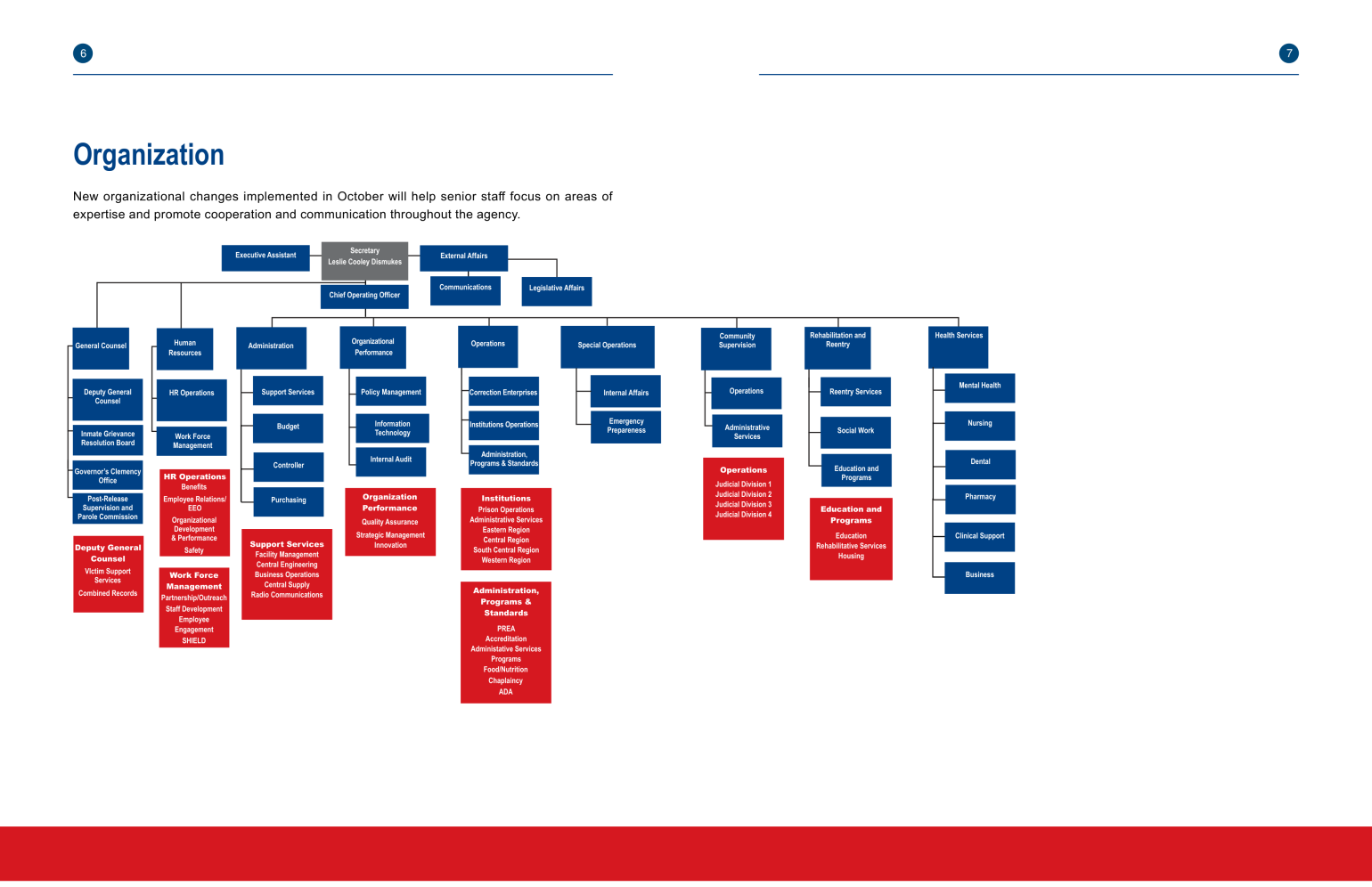
- Secretary: Leslie Cooley Dismukes
- Executive Assistant
- External Affairs
- Communications
- Legislative Affairs
- Chief Operating Officer
- General Counsel
- Deputy General Counsel
- Inmate Grievance Resolution Board
- Governor’s Clemency Office
- Post-Release Supervision and Parole Commission
- Deputy General Counsel
- Victim Support Services
- Combined Records
- Human Resources
- HR Operations
- Work Force Management
- HR Operations: Benefits, Employee Relations/EEO, Organizational Development & Performance, Safety
- Work Force Management: Partnership/Outreach, Staff Development, Employee Engagement, SHIELD
- Administration
- Support Services
- Budget
- Controller
- Purchasing
- Support Services: Facility Management, Central Engineering, Business Operations, Central Supply, Radio Communications
| Department |
|---|
| Policy Management |
| Information Technology |
| Internal Audit |
| Organization Performance: Quality Assurance, Strategic Management, Innovation |
- Operations
- Correction Enterprises
- Institutions Operations
- Administration, Programs & Standards
- Institutions: Prison Operations, Administrative Services, Eastern Region, Central Region, South Central Region, Western Region
- Administration, Programs & Standards: PREA, Accreditation, Administrative Services, Programs, Food/Nutrition, Chaplaincy, ADA
- Special Operations
- Internal Affairs
- Emergency Preparedness
- Community Supervision
- Operations
- Administrative Services
- Operations: Judicial Division 1, Judicial Division 2, Judicial Division 3, Judicial Division 4
- Rehabilitation and Reentry
- Reentry Services
- Social Work
- Education and Programs
- Education and Programs: Education, Rehabilitative Services, Housing
- Health Services
- Mental Health
- Nursing
- Dental
- Pharmacy
- Clinical Support
- Business
Fiscal/Budget 2024-2025
Spending
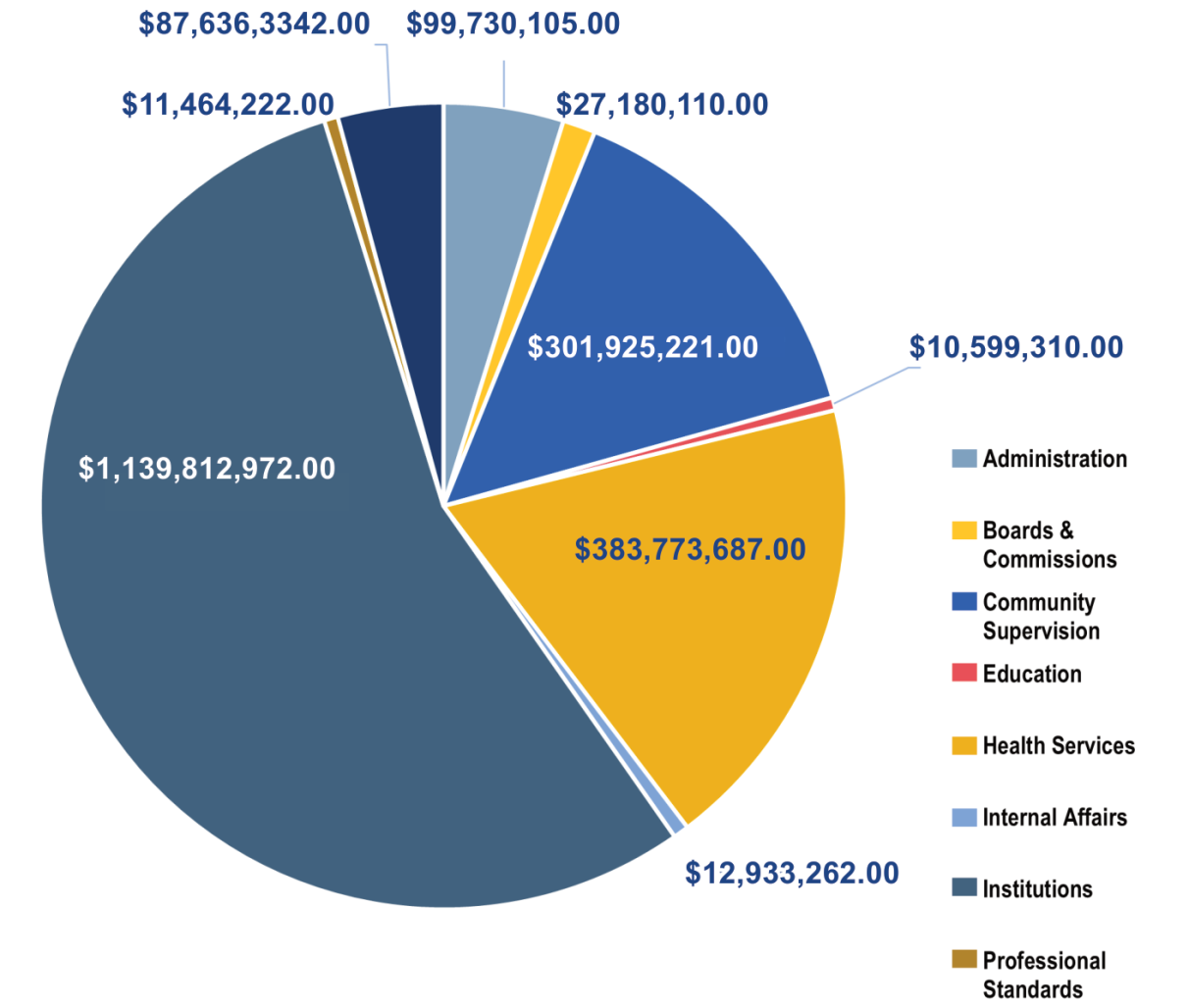
Spending Values:
- $1,139,812,972.00
- $383,773,687.00
- $301,925,221.00
- $99,730,105.00
- $87,636,3342.00
- $27,180,110.00
- $12,933,262.00
- $11,464,222.00
- $10,599,310.00
Legend Categories: Administration, Boards & Commissions, Community Supervision, Education, Health Services, Internal Affairs, Institutions, Professional Standards
| Category | Amount |
|---|---|
| Total Certified Budget | $2,075,055,231 |
| Revenues | $21,458,835 |
| Appropriations | $2,053,596,396 |
Funding
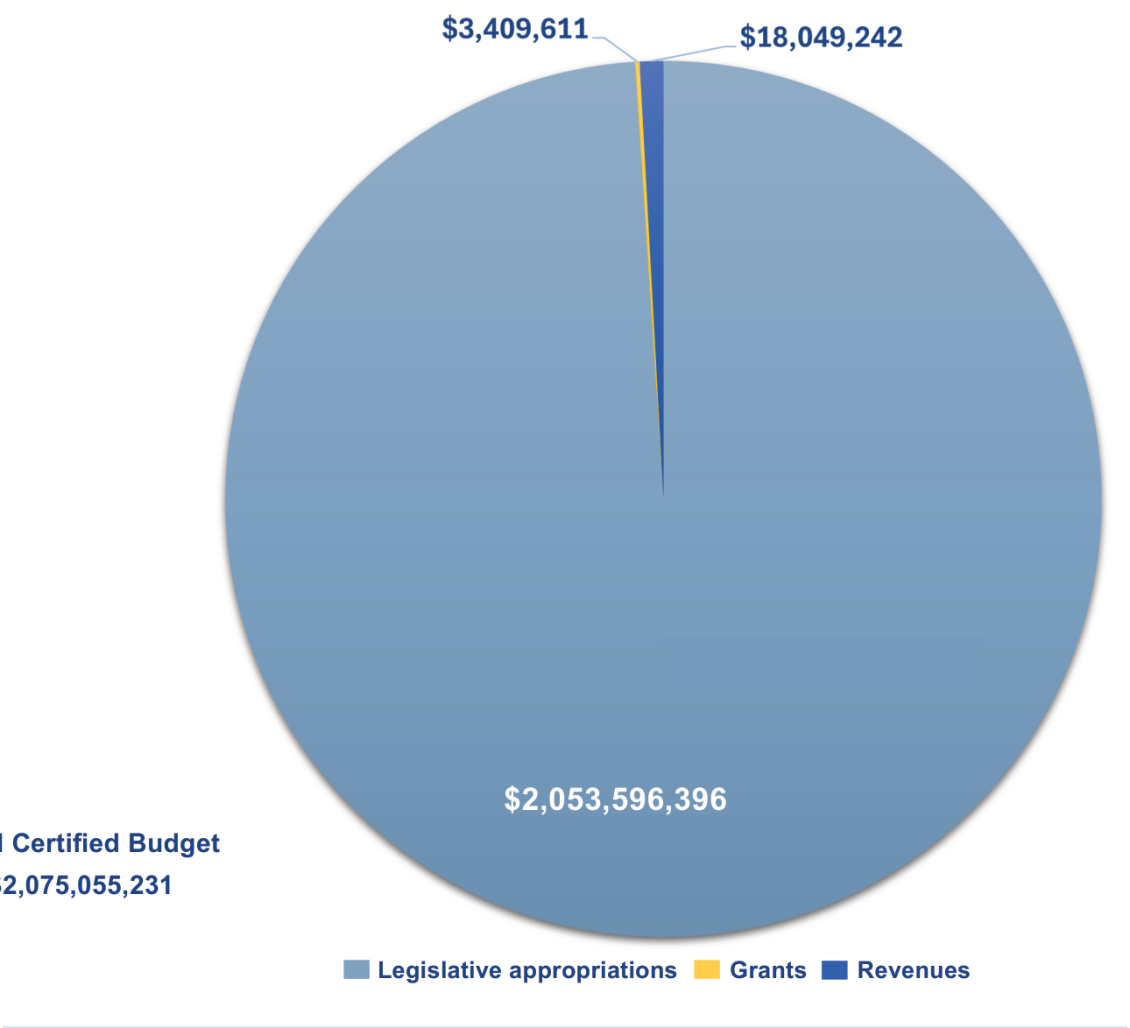
Total Certified Budget: $2,075,055,231
Values: $2,053,596,396 (Legislative appropriations) / $18,049,242 (Grants) / $3,409,611 (Revenues)
Grants
NCDAC is currently managing nine active grant projects which have brought a total of $39,414,800 in federal grant funding. In addition to those totals, NCDAC also closed and completed another eight projects which ended in 2025. As a result of those 17 grant projects, NCDAC has been able to procure $40,365,594 worth of goods, equipment, supplies and services at a cost of just $950,794 to the agency.
A $2.1 million Fair Chance to Advance grant from Job for the Future (JFF) will provide much needed funding and $1.8 million in technical assistance to expand education, apprenticeships, work release opportunities, and deepen data integration. North Carolina was selected as one of four inaugural states to expand postsecondary education and workforce pathways for people with histories of incarceration.
Growing our Workforce
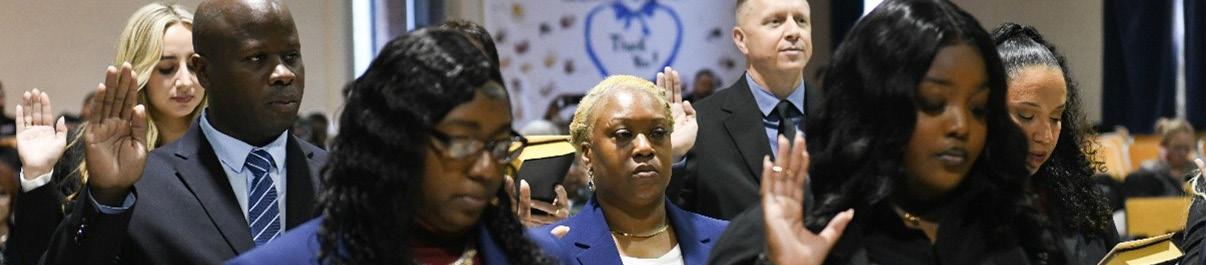
Workforce vacancies remain one of the most critical issues at NCDAC. Efforts to recruit and retain staff are a top priority. During 2025, the overall staff vacancy rate improved slightly from 24.16% in January to 23.32% in December. Some institutions are facing correctional officer vacancy rates in the 40-50% range or higher. Probation/parole officer vacancies improved from more than 10% to about 8% during the year.
Hiring and Separations
- 2,647 employees joined the agency in 2025, and 2,472 separated from the agency.
- Part-time correctional officer positions were established for those who want to work fewer than 40-hours a week.
- Recreation coordinator positions were hired at several institutions.
- We recruited more than 100 nurses, reduced reliance on travel nurses by 20% for savings of $18 million
- Our recruiting efforts are also supported by internship programs, a nurse preceptor program and doctoral psychology internships.
Training
- 195 people graduated from probation/parole officer basic training
- 967 of 1,032 students passed the correctional officer basic training final test.
- 1,371 contract healthcare team members completed training.
Retention
- Staff retention continues to be a critical issue and will be a focus area in 2026. Low pay is the most-often cited reason by those leaving the agency.
- The Career Progression Program has attracted 2,196 staff with 924 completions. Current tracks include correctional officers, food service officers, case managers, and probation/parole officers, with additional tracks in development. The program is designed to strengthen employee skill set through targeted training and professional development opportunities.
- The Correctional Leaders Association (CLA) recruitment and retention summit will be held in Charlotte in January 2026.
Supporting Employees
Staffing Enhancements
We approved shift premium pay for case managers working correctional officer posts and implemented self-service time entry for correctional officers at Roanoke River CI, Scotland CI, Piedmont CI, Caswell CC, Columbus CI, and Dan River PWF.
Staff Cell Phone Access
While personal cell phones have long been prohibited inside prison facilities, each institution is working to provide cell phone access to staff during their shift, so during breaks they can maintain contact with family and friends during breaks and tend to important personal matters. This is a significant morale and quality of life factor that affects staff retention.
Advanced and Intermediate Certificates
259 NCDAC employees earned Advanced Corrections Certificates from the NC Criminal Justice Training and Standards Commission this year and 308 employees earned their Intermediate Corrections Certificates from the commission. Community supervision staff earned 282 certificates followed by Institutions staff with 234.
Career Development Training Programs
Provided training to NCDAC staff through 14 programs including supervisory and management training, skill development, skill enhancement and staff well-being. Career Development has also created a new Intermediate level training program to prepare staff for promotional opportunities, as well as a new women's leadership training. Both will be fully implemented in 2026.
Computer Based Testing
A comprehensive computer-based testing program has been successfully implemented, with a significant number of examinations conducted across various certified training programs.
Campbell University degree program
Campbell University is offering all NCDAC employees the opportunity to earn a degree through any of Campbell’s 100% online programs at greatly reduced rates.
Employee Foundation
Work is underway to establish an NCDAC Employee Foundation that will have the ability to raise funds to support NCDAC employees in times of crisis or need.
ACA Accreditation
We’re on a path to have all NCDAC facilities and locations accredited by 2028, with 44 of our facilities and five central offices already accredited. Eleven facilities completed initial accreditation audits in 2025 and eight completed three-year reaccreditations. Only 10 initial audits remain before becoming a 100% accredited agency.
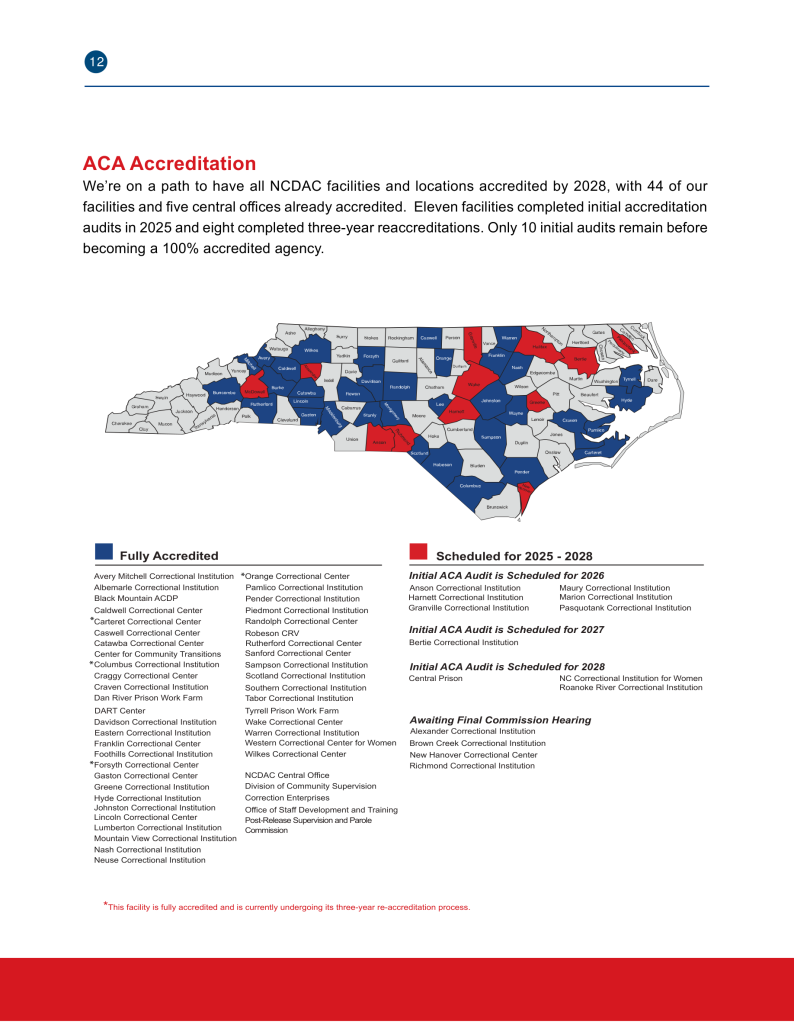
Fully Accredited
- Avery Mitchell Correctional Institution
- Albemarle Correctional Institution
- Black Mountain ACDP
- Caldwell Correctional Center
- *Carteret Correctional Center
- Caswell Correctional Center
- Catawba Correctional Center
- Center for Community Transitions
- *Columbus Correctional Institution
- Craggy Correctional Center
- Craven Correctional Institution
- Dan River Prison Work Farm
- DART Center
- Davidson Correctional Institution
- Eastern Correctional Institution
- Franklin Correctional Center
- Foothills Correctional Institution
- *Forsyth Correctional Center
- Gaston Correctional Center
- Greene Correctional Institution
- Hyde Correctional Institution
- Johnston Correctional Institution
- Lincoln Correctional Center
- Lumberton Correctional Institution
- Mountain View Correctional Institution
- Nash Correctional Institution
- Neuse Correctional Institution
- *Orange Correctional Center
- Pamlico Correctional Institution
- Pender Correctional Institution
- Piedmont Correctional Institution
- Randolph Correctional Center
- Robeson CRV
- Rutherford Correctional Center
- Sanford Correctional Center
- Sampson Correctional Institution
- Scotland Correctional Institution
- Southern Correctional Institution
- Tabor Correctional Institution
- Tyrrell Prison Work Farm
- Wake Correctional Center
- Warren Correctional Institution
- Western Correctional Center for Women
- Wilkes Correctional Center
- NCDAC Central Office
- Division of Community Supervision
- Correction Enterprises
- Office of Staff Development and Training
- Post-Release Supervision and Parole Commission
Scheduled for 2025 - 2028
Initial ACA Audit is Scheduled for 2026
- Anson Correctional Institution
- Harnett Correctional Institution
- Granville Correctional Institution
- Maury Correctional Institution
- Marion Correctional Institution
- Pasquotank Correctional Institution
Initial ACA Audit is Scheduled for 2027
- Bertie Correctional Institution
Initial ACA Audit is Scheduled for 2028
- Central Prison
- NC Correctional Institution for Women
- Roanoke River Correctional Institution
Awaiting Final Commission Hearing
- Alexander Correctional Institution
- Brown Creek Correctional Institution
- New Hanover Correctional Center
- Richmond Correctional Institution
*This facility is fully accredited and is currently undergoing its three-year re-accreditation process.
Strengthening Safety and Security
Contraband Reduction
Contraband is a serious problem, and we’re working on these fronts to keep it out of our prisons.
- Along with the Correctional Leaders Association (CLA), we support proposed Federal Communications Commission (FCC) rules to allow narrowly targeted cell phone jamming within prison walls, without impacting legitimate cell phone use. If approved, these new rules would be a significant milestone in the nationwide battle against contraband cell phones.
- Piloting two programs to detect and disable contraband carrying drones, including one with the U.S. Drug Enforcement Administration, to determine the technologies that will best help deter drones.
- Increasing partnerships with federal, state and local law enforcement to intercept contraband and prosecute offenders and staff members involved. NCDAC has zero tolerance for staff who compromise the safety of colleagues and those in our custody by importing contraband.
- We are reducing use of paper mail systems to eliminate drug contraband. Paper soaked with soluble drugs like fentanyl is a serious threat and is easily transmitted through the mail. All offender mail is now scanned and delivered electronically by TextBehind. We are moving toward similar systems that reduce the amount of paper transferred through legal mail.
Body Cameras
A successful body-worn camera pilot program with Community Supervision and Special Operations and Intelligence showed the value of body cameras within NCDAC. Body cameras are due to be deployed in 2026 for all probation/parole officers, SOIU officers, and prison staff handling high-risk offender transportation.
Property sales
State law allows NCDAC to sell unused real estate and invest the proceeds in facility safety and security. We are working with the Department of Administration to identify unused properties and move forward with sales. Proceeds will be reinvested in fire detection and life safety system improvements at prison facilities.
Fire safety systems
Manual fire watches are in place at many prisons where fire alarm systems are outdated or inoperable. Five prisons received new fire alarm systems in 2025, and work is underway on several other institutions. Millions in funding will be needed for additional fire system replacements.
Managed Access for Contraband Cellphones
Managed access systems for control of contraband cellphones were enabled at Pasquotank and Bertie Correctional Institutions, proving capabilities to locate wireless phones. Benefits include confiscation of unauthorized cellular or network devices through triangulation of signals preventing offenders from conducting business enhancing public and institutional security.
Specialty Mental Health Probation Expansion
SMHP completed its expansion into all 100 counties in 2025, with at least one trained specialty mental health probation/parole officer and one SMHP chief PPO per county. There are 1,490 people on community supervision identified for a mental health caseload.
Detainer Release Officer
A new Detainer Release Officer position strengthens the Division of Community Supervision’s ability to manage post-release offenders transitioning to federal, out-of-state, or immigration custody. Centralized oversight ensures accurate tracking, timely case assignment, and consistent compliance with supervision policies. The position also serves as a vital liaison between field staff and immigration authorities, maintaining active communication and a detailed log of Immigration inquiries.
Security Risk Group Officers
Filled 33 new security risk group lieutenant positions to monitor and investigate gang activity at medium and close custody facilities and we are creating 24 SRG sergeant positions at minimum custody facilities.
New prison disciplinary policy
Implemented a new offender disciplinary policy designed to enhance due process for offenders while clearly defining sanctions to address violence against staff and other offenders. This initiative also aims to reduce the use of restrictive housing and streamline the disciplinary investigation process, ensuring timely and effective enforcement of sanctions.
Gang Prevention and Intervention Task Force
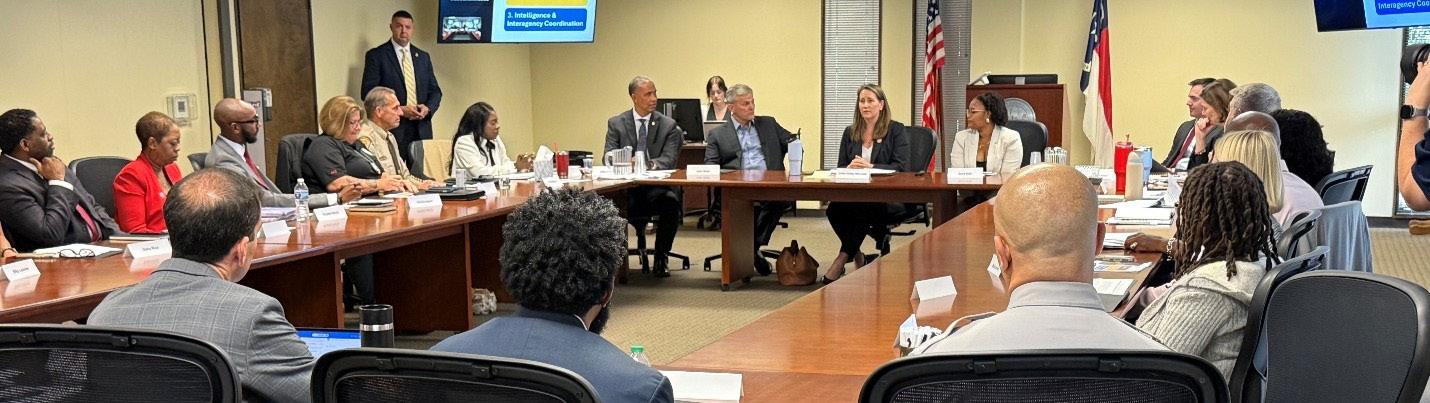
With the signing of Executive Order 21 in August 2025, Governor Josh Stein established the North Carolina Gang Prevention and Intervention Task Force. Secretary Dismukes and Siarra Scott, director of the NC Office of Violence Prevention, were named co-chairs.
The task force includes law enforcement officers, education leaders, legal representatives, mental health and substance use organizations, and people who have successfully left gangs. Its members work to reduce the presence and impact of gang activity in North Carolina, including keeping young people out of gangs.
The task force is organized into three subcommittees: Prevention, Intervention, and Intelligence and Interagency Coordination. NCDAC staff are included in all three groups and provide staffing for two of the subcommittees.
Upgrading Technology and Infrastructure
Artificial Intelligence Tools
We are exploring artificial intelligence (AI) tools to monitor threats in real time using prison camera systems, drone footage, and body cam footage. This AI technology has the potential to improve the safety and effectiveness of our work inside institutions and in the field. Many employees are testing Microsoft CoPilot to bring efficiency to administrative tasks.
Correctional Officer Tablets
At Marion CI and Tabor CI, we are piloting correctional officer tablets with access to NCDAC email, intranet, and digital forms. The goal is to streamline and modernize correctional officer duties by replacing paperwork and antiquated systems with fast and efficient digital access.
Air Conditioning Project
83% of beds in prison housing areas are air conditioned and we’re on track to reach 100% in 2027. When air conditioning installation began in 2022, 63% of beds were air conditioned. The Division of Engineering, Construction and Maintenance (DECM) has been using a combination of offender labor through the Construction Apprenticeship Program and private contractors to complete this work. In many locations improvements to lighting, life safety and electrical systems are being completed alongside the air-conditioning work, improving facility safety, comfort and energy efficiency.
Utility efficiency savings
Numerous projects to increase efficiency and reduce utility costs are showing benefits:
- $1.1 million in savings from exterior LED lighting retrofits.
- $2 million in savings from interior LED lighting retrofits.
- $2.7 million in annual utility savings from performance contract to increase efficiency at six large close-custody prisons. Performance contract approved to begin at Central Prison.
- 98% of all interior and exterior lighting fixtures have been retrofitted or replaced with LEDs.
Solar energy systems
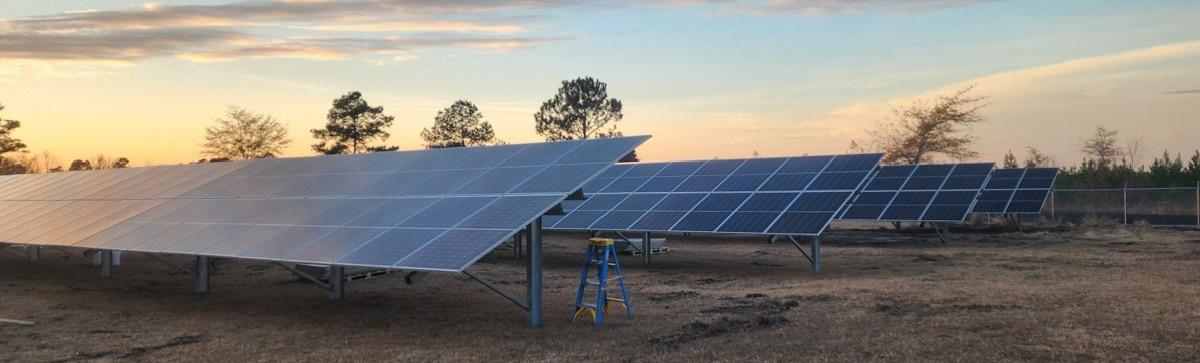
A 500-kilowatt solar energy farm is now operational at Tabor Correctional Institution, one of several major energy improvement efforts aimed at achieving ambitious Energy Use Index reduction goals. A grant for $500,000 was received to install a 125-kilowatt solar array at Alexander CI and solar electric vehicle charging stations are in use at several institutions and office locations.
Improved Case Management Tools
Probation/parole officers are benefiting from improved case management tools. Once body cameras are deployed in 2026 they will move to a system that uses AI technology to help transcribe body camera recordings into narrative summaries of offender contacts.
Improving our Healthcare System
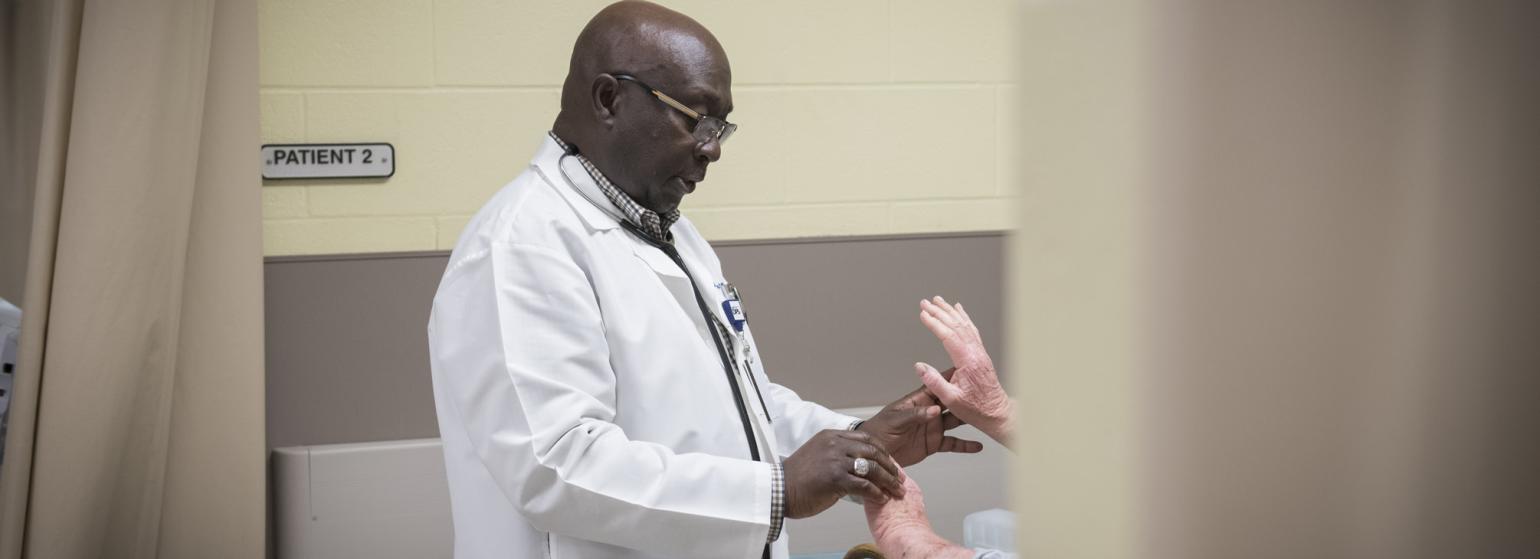
The Division of Health Services continues to engage partners and specialty providers to provide more services inside NCDAC facilities and through telehealth, greatly reducing the number of trips required to community health care locations and freeing up custody staff resources.
Opioid Use Disorder Treatment
We expanded reentry medication treatment for opioid use disorder (MOUD) from four institutions to 26, including all female facilities and both CRV centers, with 1,100 individuals initiated on MOUD. We piloted and expanded prison-based Recovery Road Program, which provides mental health support for the treatment of addiction, and grew it to 500 seats. We also expanded community partnerships with NC-FIT (Formerly Incarcerated Transition) to 65 counties to improve continuity of care upon release for individuals undergoing MOUD treatment in the community.
Outpatient Treatment Units (OTU)
Increased OTU treatment capacity by 73% (from 144 to 248 beds) providing targeted behavioral health services for patients needing more intensive treatment than typical outpatient services or the stabilizing impact of a structured treatment unit. Offenders housed in OTU units receive routine group therapy along with their regular individual therapy sessions and have additional monitoring and support through the unit operations.
Rechargeable CPAPs
Implemented rechargeable CPAPs at several locations, eliminating the need for bedside electrical outlets and bottom bunks for CPAP users. If expanded, rechargeable CPAPs will significantly increase housing options for offenders and provide increased flexibility for population management.
After Hours Nurse Triage Program
Program provides nursing consultation and treatment to support facilities with reduced or limited (less than 24-hour) nursing coverage, ensuring that patients receive timely nursing assessments and unnecessary transports are minimized. Completed 6,500 nursing triage consultations, averaging 550 calls per month. These evaluations and nursing interventions prevented 84% of cases from being sent to hospitals.
Tele-health Services
Completed more than 13,000 tele-health appointments across 20 specialty areas avoiding at least 80,000 custody work hours for transport and supervision.
Mobile Mammography
Established mobile (screening) mammography services at Anson CI and conducted 340 mammography studies. Also expanded mobile (screening) mammography services at NCCIW to include diagnostic studies.
Surgical Services (CPHC)
Central Prison Healthcare Complex (CPHC) performed 459 operative procedures, a 48% increase, avoiding community hospital visits and admissions. Operative services at CPHC utilizing UNC specialists have expanded to include gastroenterology procedures (colonoscopy, EGD) and podiatry (foot) surgeries
Specialty Medical Clinic (CPHC)
4,678 medical specialty clinic visits were completed at CPHC to include general surgery, nephrology, urology, optometry, ophthalmology, audiology, orthopedics, podiatry, orthotics and infectious disease.
Physical Therapy Expansion
We expanded in-house physical therapy services by 27% (from 15 to 19 institutions) conducting over 27,500 physical therapy sessions within DAC facilities. We also recruited a full-time physical therapist at NCCIW, reducing reliance on external vendors and further lowering overall expenditures.
Optometry Expansion
Expanded in-house optometry services to 22 institutions. We completed 7,500 eye exams within NCDAC institutions including diabetic dilation exams, glaucoma management, retinal evaluations, and other advanced diagnostics, decreasing reliance on Duke Eye and UNC for specialty imaging.
Endocrinology Specialty Services
Recruited a full-time board-certified endocrinologist to provide care for conditions such as diabetes (affecting 3,800 offenders), thyroid disease, and others. This resulted in a 75% decrease in community endocrinology appointments.
UNC Physicians Network
Coordinated with UNC to establish organized medical specialty clinics targeted by region and specialty, focusing on specialties with the greatest demand, all focused on improving access to care and decreasing backlog. As this is a virtual service augmenting the existing tele-health program in a more targeted way, it will significantly decrease demand on custody staff for transport/ supervision, which also decreases cost.
Reducing Recidivism
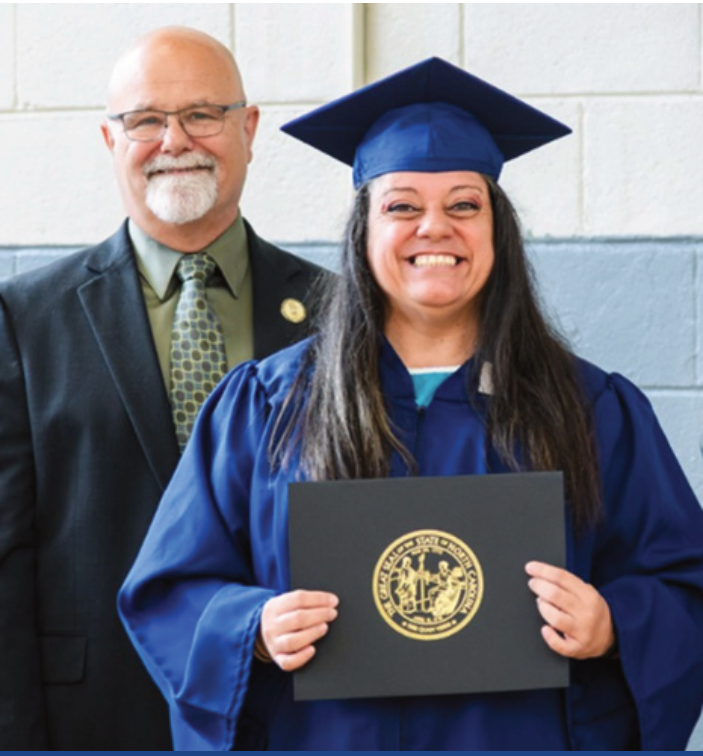
Reentry 2030
In October, North Carolina became the first state to launch a dashboard tracking its Reentry 2030 objectives, strategies, and metrics. The dashboard also features testimonials from formerly incarcerated people who have found success through rehabilitation and reentry efforts while they were still incarcerated. In April, First Lady Anna Stein joined the Joint Reentry Council (JRC) and she continues to bring awareness to issues surrounding rehabilitation and reentry.
The state joined the Council of State Governments’ Reentry 2030 initiative in 2023 and released its Reentry 2030 strategic plan in August 2024. The JRC and the State Reentry Council Collaborative (SRCC) both meet regularly in support of the plan and meetings are live-streamed for additional access and engagement.
Teaching marketable job skills
Correction Enterprises is providing offenders with job skills through a variety of programs, including these:
- Forty-five offenders from Greene Correctional Institution completed Commercial Driver’s License (CDL) certification for post-release professional truck driver employment opportunities.
- Graduated first-in-history class of Braille transcription-certified females from the North Carolina Correctional Institution for Women (NCCIW).
- Launched the third Prison Industries Enhancement Certification Program (PIECP) with partner Spec-Tex to manufacture mattresses at the Piedmont Reupholstery Plant paying offenders $16/hour.
- Became the first prison industry in the U.S. to adopt a “2-Second Lean” culture change program to empower both full-time employees and offender staff to improve manufacturing and administrative efficiencies.
- Activated three North Carolina Jobs Exploration in Transition (NCJET) sites with five additional sites ready to go-live when iNet access is provided. NCJET allows offenders to research and apply for jobs while still incarcerated.
Programs and Transportation Logistics
We implemented the Programs and Transportation Logistics (PTL) tool which gives case managers real-time access to up-to-date information about available jobs and programs across facilities. It provides a need-based view of programs by aligning available opportunities with each offender’s criminogenic risk and needs, helping case managers make more targeted, effective placements that support rehabilitation and reduce recidivism. Five hundred programs and support staff received training on the new PTL tool.
Medicaid Applications
With the assistance of NCDAC social work staff, more than 4,500 Medicaid applications were filed for people about to be released from prison. Having health insurance through Medicaid is a key factor in successful reentry to the community.
Driver’s License Clinics
Reentry staff worked with law students from Duke and Cambell University law schools to organize clinics where incarcerated people can obtain a driver’s license or state ID prior to release. Having a valid ID removes one large obstacle for people re-entering society.
Medication for Opioid Use Disorder (MOUD)
Twenty six prison institutions are now able to provide medication for opioid use disorder (MOUD) to people releasing to the community. MOUD reduces mortality by 50% during the first few weeks after release, when people are at greatest risk of relapse and fatal overdose.
High School Equivalency Earned
510 offenders earned their HiSet high school equivalency diplomas in 2025.
Local Reentry Councils
There are currently 23 state-funded local reentry councils (LRCs) serving 31 counties. As many as 31 LRCs were at work in 2025, but lack of funding caused some councils to cease operations, while others reduced or redirected services. NCDAC continues to seek funding to support local reentry councils and their critical work in connecting people with resources during and after release from prison.
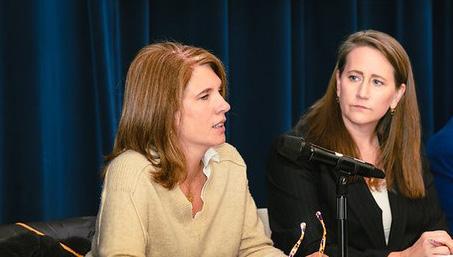
Joint Reentry Council
Established in 2024, the Joint Reentry Council meets bi-monthly and coordinates the reentry efforts of cabinet agencies and partners from the government and non-profit sectors. First Lady Anna Stein has chosen reentry as one of her focus areas and was appointed to the council in April 2025 by Secretary Dismukes. The First Lady regularly visits correctional facilities and organizations working in reentry, works to bring attention to the issue and advocates for improved reentry resources.
Chaplaincy Services
NCDAC Chaplaincy Services has become a national leader in chaplaincy training by piloting a prison-based Clinical Pastoral Education (CPE) Internship in partnership with WakeMed. With revised chaplain hiring standards, 19 new NCDAC chaplains are at work, including 12 chaplains at prisons that previously had no chaplain. A new partnership with the United Methodist Church and The Duke Endowment is providing community-funded chaplains at Greene, Gaston, Carteret, and Caswell correctional centers, in addition to securing three new chaplain positions through Arise Collective, Summit Church, and High-Country Ministries. Chaplains also developed a set of resources for the offender tablets on American Indian Traditionalism that was of such excellent quality that Viapath requested permission to make the resource available on offender tablets nationwide.
Protecting Our Environment
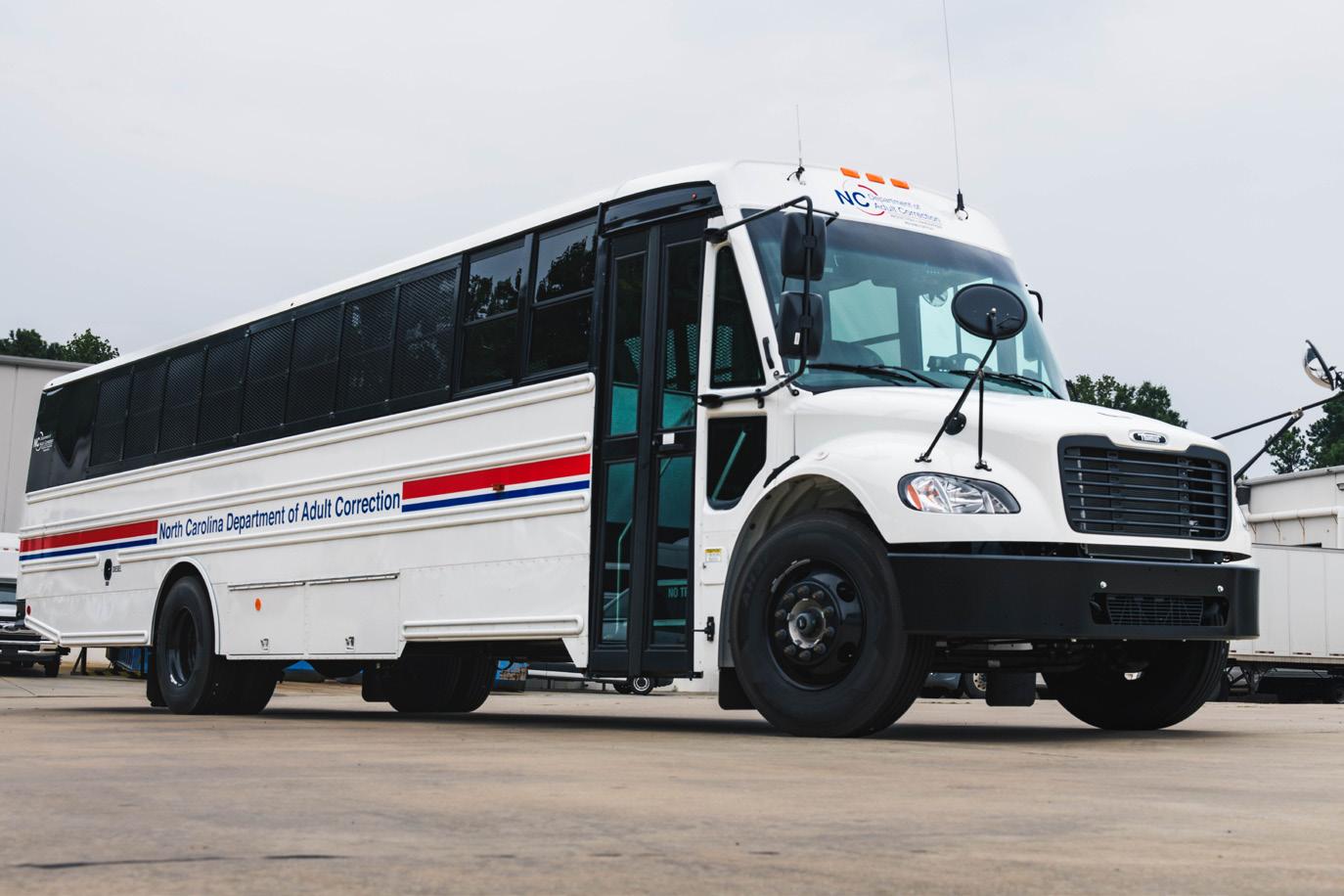
Low and No Emission Vehicles
- 32 low emission diesel transport buses and three low emission tractor-trailers for Construction Apprenticeship Program are now deployed. An equal number of aging high-polluting diesel buses were retired and destroyed.
- Electric perimeter patrol vehicles are in use at several institutions.
Sustainable Land Use
- Pollinator gardens were planted at 14 facilities to promote pollinator diversity and raise awareness of native pollinators with staff and offenders.
- A pollinator friendly seeding option was chosen for the Tabor CI solar array field.
- Natural Heritage designations are under review for 46 acres at Southern CI and 97 acres at Dan River Prison Work Farm.
- The Forest Management Educational Program at NCDAC will have its first session at Southern CI in Jan 2026. Forestry management plans are being drafted for Davidson, Granville, Tyrrell, and Craven correctional facilities that will include activities to promote ecological and sustainable forestry goals.
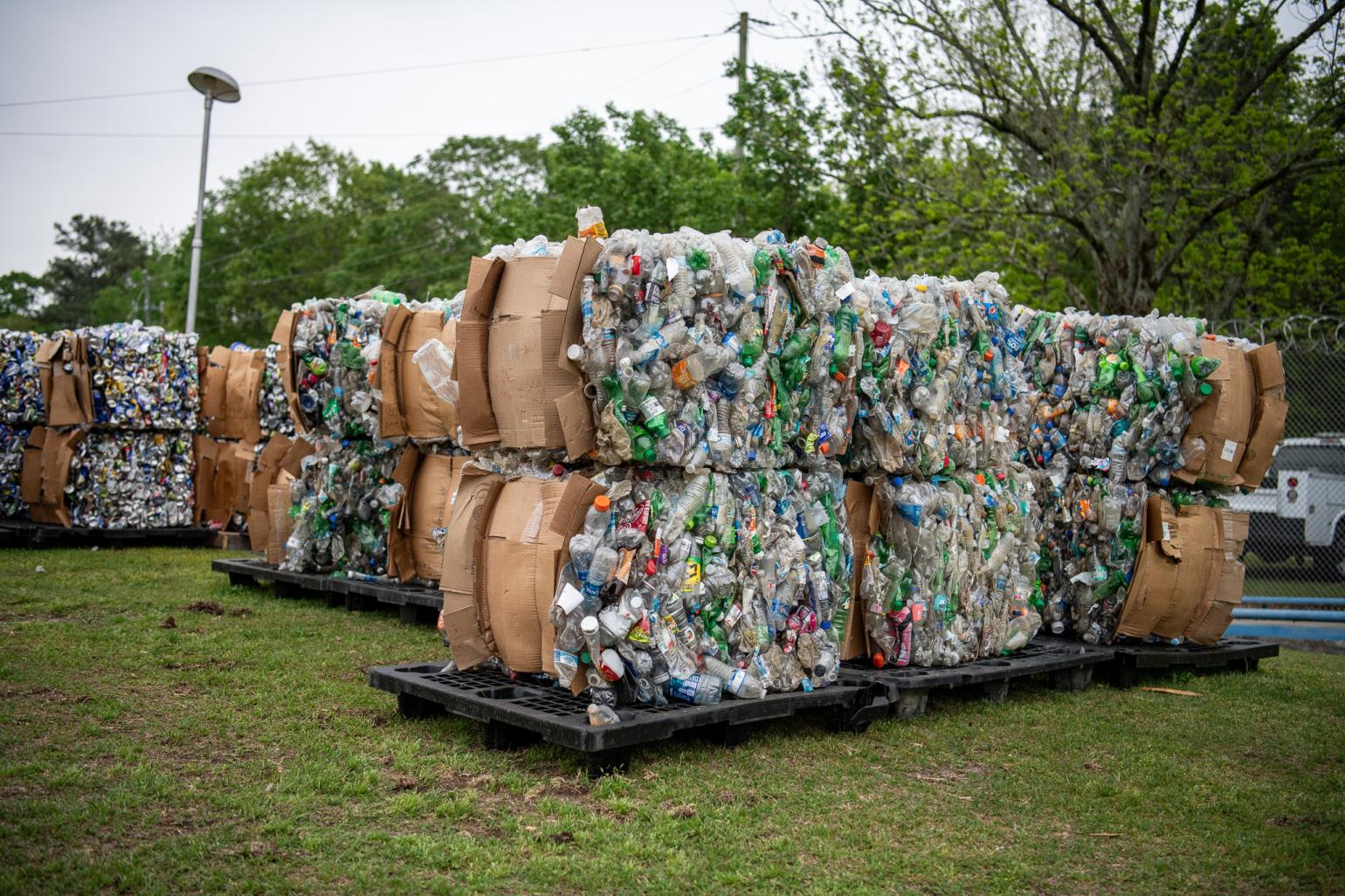
Recycling and Waste Management
- Over $29,000 in savings were realized through cost-effective use of contracts and vendors for universal waste.
- Procedures and flow charts for recycling and proper disposal of universal waste were distributed to site and regional maintenance staff.
- Solutions were found for hardening latex and oil-based paints so they can be safely disposed.
Employee Recognition
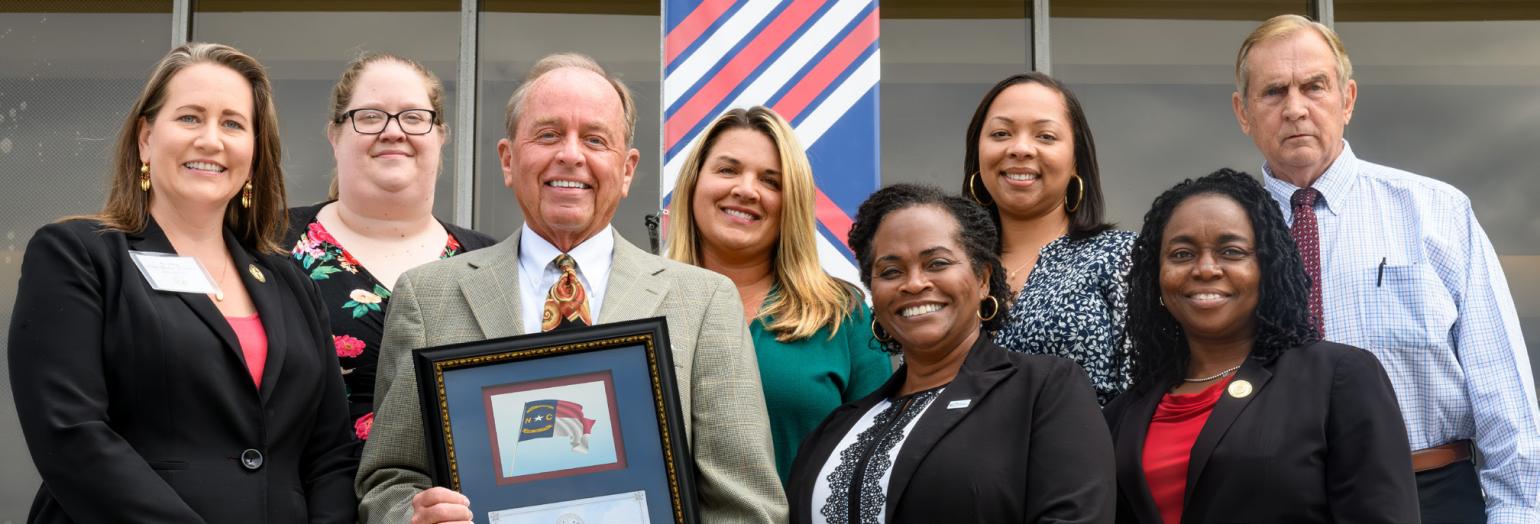
Caswell Award
- Psychological Program Services Coordinator Lee Futrelle received the Caswell Award for 45 years of state service
Governor's Awards for Excellence Nominees
Human Relations
- Crystal Allen, Critical Incident Peer Support Manager, S.H.I.E.L.D.
- George Pettigrew, Senior Deputy Secretary for Rehabilitation and Reentry
Outstanding State Government Service
- Robert VanGorder, Warden, Sampson Correctional Institution
- Kevin Rich, Deputy Budget Director
Public Service
- Charlotte Doran, Probation and Parole Officer (Division I, District 4), Clinton
Safety and Heroism
- Robin Beach, LPN, Sanford Correctional Center
- Mike Slagle, Warden, Mountain View Correctional Institution
Spirit of North Carolina
- Logan T. Butler, Probation and Parole Officer (Division 2, District 13), Shallotte
NCDAC Employee Recognition Award Recipients
Correctional Officer of the Year
- Michael George, Richmond Correctional Institution
- Honorable Mention – James Phillips, Mountain View Correctional Institution
Probation and Parole Officer of the Year
- Kathleen “KiKi” Hampton, District 3 (Carteret County)
- Honorable Mention – Brach Walker, District 17 (Rockingham County)
Rising Star
Recognizes those early in their career who show exceptional growth, initiative, and promise
- Laura Hartley - Probation and Parole Officer, Haywood County
- Kelly Killough Speas - Healthcare Recruiter, Human Resources
Workplace Improvement
Celebrates efforts that improved efficiency, processes, or morale across the workplace
- Kevin Rich, Deputy Budget Director
- Lt. Tymeka Dawson, Maury Correctional Institution
Protection and Security
Honors actions that strengthened safety and security for staff, offenders, and the public
- Sharon Williams, Correction Officer, Sanford Correctional Center
- Capt. Darrick Philemon, Anson Correctional Institution
Beacon of Hope
Recognizes individuals who inspired others through positivity, resilience, and encouragement
- Rebecca Jonas, Program Director, Catawba Correctional Center
- Tiesta Moore, Programs Supervisor, Anson Correctional Institution
Above and Beyond
Celebrates unselfish devotion to duty and consistently going above expectations
- Kenneth Diggs, Warden, Albermarle Correctional Institution
- Office of State Development and Training Group (Western Region), Valdese
Community Engagement
Highlights partnerships or initiatives that positively impacted the community.
- Graham Atkinson, Commissioner, Post Release Supervision and Parole Commission
- Pender Correctional Institution Day Treatment Program
Bravery in Service
Recognizes courage and sound judgment during emergencies that prevented harm or loss
- Alaina Malcolm, Probation and Parole Officer, District 16 (Robeson County)
Team Impact
Celebrates effective collaboration and teamwork that led to shared success
- Nursing Education Team, Comprehensive Health Services, Raleigh
- Community Supervision Internship Curriculum Team
Excellence in Leadership
Honors leaders who guide, inspire, and uphold our department’s values
- Dwayne Hull, Warden, Randolph Correctional Institution
| Agency Name | Values |
|---|---|
| NC Department of Adult Correction | PROTECTION • INNOVATION • REHABILITATION |